One important area that can really affect a students reading ability is vocabulary development. It is so important for reading comprehension that children are given explicit teaching and repetitive use of new vocabulary. Without vocabulary knowledge, readers can struggle to understand what it is they are decoding, and as they move onto more complicated texts, students are ready to focus more on the meaning of what they are reading rather than just saying the words in front of them. We need to teach children vocabulary outside of their everyday oral language use. The vocabulary taught should be rich and meaningful to the students. I usally spend about 15 minutes a day on explicit teaching of vocabulary but once taught it is then referred back to as often as possible. This blog is breakdown of how I teach it in my classroom.
1. Make a List of Words
For the vocabulary to be meaningful to the children, they should have a say in the words they get to focus on and these should be words that they are coming across in their reading, whether that be through the use of a read aloud, book club book or even PM reader.
Each week as a class we make a list of words that we come across in our reading and our lessons that we either don’t know the meaning of yet, or that we think would be a rich vocabulary word that would aid our writing. These words are added to a whiteboard in the room and the list grows as the week goes on. When it gets to Friday, I choose 8 words from our list to use the following week for our vocabulary work.
2. Definitions, Synonyms, Antonyms & Sentences
The next thing we focus on is filling out the template you see in the picture above with the definition, synonyms, antonyms. A copy of these can be found here. Each day we focus on 2 of the words that had been chosen from our list the previous week. I get the students to work in pairs to find the definition in the dictionary. Once found, we talk about the definition together and rephrase it in our own way so it is understandable. We look at whether the word has more than one meaning and what type of a word it is and whether or not there are any prefixes or suffixes associated with the word.
Once we have decided on a definition together and the children understand the different meanings of the word, we discuss synonyms and antonyms for it. We brainstorm as a class and along with the definition add these to the board/worksheet. Sometimes through synonyms and antonyms we will come across other wow words that we have learned or will find some new words to add to our list.
Finally, when students have a good grasp of the new wow word, they independently write their own sentence for it. This must be a complex or interesting sentence and I encourage them to always try to write a sentence that has their new wow word and an old wow word in it.
This wow word then gets added to our Wow Words display in our class. The worksheet that the children fill out for their vocabulary then gets put into their vocabulary section of a writing workshop folder that they have. (I will do another post all about the writing workshop folder and how it’s used).
How many wow words you do is up to you and the level your class is at. In second class I taught one new word a day and now in 4th class I teach two new words a day. When I first started explicit vocabulary teaching I did 5 words a day and the students would look up their own definitions one day, then synonyms and antonyms another day and then do five sentences the day after and what I found for me and my class was that this way of doing it wasn’t working for the children I had in front of me. The students would often not fully understand the definition in the dictionary and because they were doing five words a day, they would mix up the definitions of the words with each other. The synonyms and antonyms seemed to be completely lost. All of this and they were all working at a different pace, so while one child was finished looking up all five words, another could be still looking for the first in the dictionary. You need to judge what the students in front of you are able for and then work towards that.
3. Story Starter
At the end of a week or two, depending on how many words you have done, we then do a story starter. Here the children are giving a set time to start writing the beginning of a story using the new vocabulary learned that week. I usually set a timer of 15 minutes. The idea is not that they write and entire story but just that they begin one and show understanding of the words they have learned that week, using them in their correct context. If a student is struggling for ideas for a story I will let them pick out a story prompt card before we start the timer. This story is then kept in their story starter section of their writing workshop folder and if the child wishes to come back and continue it during writing workshop they can.
4. Assessment
Every month I do an assessment of all of the words that we have learned that month. Some months this is a Kahoot quiz where the children have to find anytonyms and synonms for their wow words or I’ll do a cloze procedure type assessment where the children will need to fit the words correctly into sentences.
I try to use our wow words as often as I remember throughout the day and during our reading and read alouds will always make a point of pausing if one of them comes up, to get the class to remind me of the meaning of the word or another word for the word and so on. Repetition is so important for the children to attain the new vocabulary. It’s all well and good teaching it each day but if it is not revised and come back to, the children might not come across it again for a while and when they do, could have completely forgotton it.
I know for a lot of new teachers and even teachers just getting back into school after the summer holidays, the first few days back can seem daunting. So I am going to take you through how I am going to spend the first day with 4th class. The children in our class start back on the Thursday this year so day 1 and 2 will be very soft starts before we start to develop some routine the following week. The focus of the learning will very much be around expectations and procedures over these days and will be reinforced during any activities that I am doing.
8.50 – 9.10 Mindful Colouring & Class Wordsearch
I am a big fan of starting my mornings with a soft start but especially so on the first day of school. You can check out this post where I go through what a usual morning routine would look like for me with morning tubs. On the first day of school I want the children to have time to chat and catch up when they come in and I will give them two options of what they can do. Firstly a mindful colouring sheet which is personalised with their name. There are similar editable versions on twinkl.com here. This colouring sheet will be used then as the cover for their wellbeing copy. Next they have the option of doing a wordsearch to find the names of everyone in the class. You can find the link to making your own wordsearch for free here. These options mean that students don’t require any assistance from me and I am free to move around and chat to everyone and get a feel for how they all feel on the first day back.
During this time I will also go over the call and repeat with my class. The one I use is ‘1, 2, 3, eyes on me’, ‘1, 2, eyes on you’. I have taught this class previously so they already have used this before but I will remind them during this time of why we use it and what is expected of them when I use it in the class. We will practice it a few times and I will give out points to reinforce it on Class Dojo.
9.10 – 9.40 Read Aloud & First Day Feelings Worksheet
Next I will read ‘A Letter from Your Teacher on the first day of school’. (Affiliate Link)This will lead us to a discussion about how everyone is feeling about the new school year, what they’re looking forward to and any concerns that they have. After this they will do the First Day Feelings worksheet. This is a freebie on mash and is available to download here.
As with any read aloud that I do, we will review the vocabulary of the parts of a book such as the author, illustrator, illustrations, blurb, spine and we will take note of any wow words that we come across during our reading and write these on our wow words whiteboard.
9.40 – 10.10 Expectations & Class Rules
To start they will discuss in pairs what their expectations are in a good teacher, good students, and good classmate. I will give each student 3 post-it notes and they can chat with their partner or group about the qualities they think each of these should have. After we will pop all their suggestions for each on the board and begin to talk about what we each need to do to make our class a safe and welcoming space for all where everyone can do their best work. We will come up with a set of rules, I don’t like to have a big long list, I prefer to sum it up in about 3 different rules that encompass everything and I use positive language rather than we will not or do not. Last year we were able to use: We will make choices that help us do our best learning, we will be kind and take care of each other, and we will do our best and keep trying, even when things get tough. So each of the things we would have discussed like puttting up our hand rather than shouting out, using kind words, hands and feet, trying our best when we find things difficult, being respectful to each other, they all fit into the above and it was very easy to just refer back to throughout the year. I will probably reuse that poster this year, if it ain’t broke and all that.
Next up we will chat about rewards and consequences. This is the part they get most excited about and all have opinions about what they should be. I use class dojo in my class, it’s what works for me but I know this isn’t for everyone, and I do a whole class reward, group rewards and then individual rewards. So throughout the year we build up our class points, each tier of points is a different reward, these do not have to be costly. I usually use extra yard time, night off homework, trip to the local park, extra PE, Chess & Board Games afternoon and then the top tier is usually for some sort of class party which I work so that it fits in with our last day before holidays, so Halloween, Christmas, Easter, last day of school. I have done PJ parties, a movie and popcorn, pizza parties and so on. For a group reward, I do VIP boxes and a class trophy, so the table with the most points on Friday gets the VIP box and trophy on their table for the following week. This is just a box with lots of different stationary in it like scented markers, glittery markers, sharpies, highlighters and so on that they can use for the week. I do work it so that the table points stay very close until the Friday so that there is buy in and I make sure it isn’t the same table winning each week. Finally there are individual rewards, when student reaches 50 points they get a homework pass that they can use whenever they want. If they get to 100 points they get a yard pass where they can choose a friend and have extra yard time on a day that suits. I reset the points at the end of each term and we start again from zero coming back and set new rewards.
The points I give on Class Dojo reflect the expectations that I have. I give out points for kindness, perseverance, good lining up, making good choices, honesty. The final thing we do in our school is golden time. This happens for the last 40 minutes on Fridays and is a reward for the hard work during the week. During this time the children can play (I’ve lots of different games and activities in the classroom), they can use chromebooks to play any of the games that I have put on google classroom (these are all educational games that we use during lessons) or they can do art. This is where our consequences come in, everyone begins the week with their full 40 minutes of golden time. If students are being unkind or disrespectful they lose a minute of their golden time. If they lose 7 minutes over the course of the week then they do work during golden time instead. Obviously there are warnings given before I take minutes away and I have very rarely had to take golden time away from a child completely. If they have lost less than 7 minutes then they sit out of golden time for whatever amount of time it is and they catch up on any incomplete work.
10.10 – 10.40 Maths Games & Maths About Me Worksheet
This will typically be our maths time and I want to start introducing some form of normality on the first day. I will start with some games that we will be using throughout the year and to get the children moving around the class. The first game I will play is Don’t Say 21. For anyone not familiar with this game, all students stand up, they take it in turns to say either one number, two numbers, or three numbers, in order starting with the number 1. The aim of the game is not to be the one who lands on the number 21. When someone says 21 they are out and the game starts again from the next person. The children need to be trying to figure out how many numbers to say to keep them safe in the game. I usually pick the first couple of people out of the game to come and help me lead the game. Either you could continue this game until there is only 1 student left or you could set a timer and whoever is left standing by the time it goes off can be winners.
Next we will play the Dice game. For this game the class is split into groups, I usually just keep them in their table groups. Each group will roll a dice and when it lands, they decide if they want to keep the unit it has landed on, for example 3 or if they want to multiply that number by 10 and choose 30 instead. Each group will take it in turns to roll the dice 4 times. At the end, the group with who are the closest to the number 100 will win the game. This game encourages maths talk in the classroom as students try to convince their team members to pick a certain number. It also allows for mental maths as students are quickly working out how much they need to get closest to 100.
After this I will show them the worksheet which is maths all about themselves. This worksheet covers some place value and operations from 3rd class. It gives us an opportunity to go back over some of this and introduce some of what we will be revising the following week. Each student’s sheet will be personal to them as they will be dealing with some different numbers, like how many people in their family, their birthday date, the letters in their name and so on. This worksheet is available as part of first day back bundle here.
Finally I will end with Place Value Last One Standing. For this each student will get a post-it note and they need to write down any number between 1 and 9999. They keep their number to themselves. I will then start calling out different place values, for example, if you have 7 in the units place sit down, I write these on the board in their correct place units, tens, hundreds and thousands and as I call each one a students sit down if it is part of their number and we continue until there is only 1 or 2 left standing.
These games don’t require any preperation beforehand and very little resources, only a dice for the dice game, post-it notes for the last one standing, and a whiteboard marker to keep count on the board. They are easy games to slip into any maths lesson as a warm up or throughout the lesson as a movement or brain break. I will use this time to also talk about winning and losing in the class and the expectations around both.
Read Aloud & My Favourites Worksheet
After break I will read The Day You Begin book (affiliate link). This book celebrates inclusivity and uniqueness. We can have a class conversation around the message in the book and this will lead nicely into what makes us unique and what we share in common with others. I will then show children the favourite things worksheet and explain what needs to be filled in. This sheet is an easy and quick way for me to get to know the students a bit better and to incorporate some of their answers into our classroom. I will make a class playlist with some of their favourite songs, I can make sure some of their favourite books and authors are available in our class library, I can personalise some of their resources during the year with their favourite colour, have their favourite treat for them on their birthday and so on. It also gets students talking to others at the table about their favourite things and forming connections with them.
While students are working on the My Favourites activity, I’ll get individual student photos. I like to have these incase I need to use their photos in any art during the year or to personalise slides but also to see how much they change throughout the year from beginnning to end.
Roll a Story Back to School
Rather than the what you did over summer story, I will be giving students this Roll a Story Template. This is available as part of this bundle on mash. Today I will just be giving them some time to start planning their story using the template. If they manage to complete this, then they can start into their writing piece for awhile but these will also be continued the next day.
The Roll A Story works well as it is a fun way to get the children writing and for those who struggle with ideas for their writing, it gives them the bones of their story. This also will give me a good idea where the students writing is at and what mini lessons I will need to focus on first in writing workshop the following week.
Paper Sculptures
We will end the day with Cassie Stephens Paper Sculptures. I love this lesson from Cassie Stephens. I won’t go into much detail as Cassie has a blog, videos and templates all about it here which is detailed way better than I could ever explain it. For me this will reinforce for the students what we learned the day previous about using a glue stick. I love how these sculptures turn out as they all end up looking completely different but yet students can see that there are so many similarities between them in the class. This art activity will be done over 2 days. There are two templates on Cassie’s website that can be used for this so we will use the first of these which is pictured above on this day.
As an early finisher students can continue with the name mindful colouring sheet from this morning.
Brain Breaks & Movement Breaks
Throughout the day, when required, I will use various brain breaks, movement breaks & filler activities.
Filler activities are just that, there to fill time as it arises. Therefore I won’t timetable these into my day. I will be using Don’t Say It! and Would you Rather? as games throughout the day as I need to. Would you rather serves as a good movement break and Don’t Say It! is great if we have anything from 5 – 20 free minutes. Naturally activities on the first few days will run over or be finished quicker than expected, fillers like these game are handy to have on hand should you need them while you are getting to know your class and the time it takes to complete a lesson. Obviously you do not need these PowerPoints, these games can be played simply by writing a word on the board or by calling out options for would you rather and getting students to move to either side of the class.
Other good filler activities are GoNoodle but I would pick out and save your favourite videos so that you can go straight to them, students won’t agree on one video and chatting about it for too long or scrolling through videos only gives the class time to be distracted. Some good videos for a class who don’t like dancing are the Henry Danger videos on GoNoodle or the Run the Red Carpet ones.
Another one I use in my class is the Corner Game. This is just a movement break game. One student is chosen to stand or sit in the middle of the class. The student closes their eyes as the teacher counts down from 10. The rest of the students have to move as quickly and quietly to a corner of the room. When the countdown has finished, the student in the center of the room, still with their eyes closed, will point to one of the four corners, whoever is standing in that corner is out and has to sit down. The game continues until there is only 1 or 2 children left. If it gets to a point where there are 4 children left, they must all choose a different corner
Feicim le mo shúilín beag is one of my favourite games to use to practice both vocabulary and phonics. I use this game either at the beginning of a Gaeilge lesson as a warm up game and to get them thinking as Gaeilge, or in stations to review new vocabulary.
I have made a downloadable version which is available on mash here. This bundle includes 10 different versions of Feicim le mo shúilín beag. Some of these versions focus on one theme of vocabulary such as mé féin, bia or éadaí and other versions are a mixture of vocabulary from different themes. I have included a PowerPoint version of the game which can be used as a whole class activity on the whiteboard and a PDF version so you can print it for your class to play in small groups or pairs.
There are also various versions of Feicim le mo shúilín beag available here on twinkl or why not pop different vocabulary posters up on the wall in the class and play the game using those.
2. Deir O’Gradaigh
Deir O’Gradaigh is a good filler activity that requires no resources or prior preparation to play. You can use this as a way to practice verbs and vocabulary as Gaeilge but also as a movement break in the classroom. The above slide is taken from my dathanna bundle as part of one of my daily lesson slides and is available here.
For me the hardest part of Deir O’Gradaigh is trying to think of different directions to give without repeating the same ones over and over again. That is why I use either the above template as a guide for me and the children or twinkl have a Deir O’Gradaigh resource available to download to help with this here.
I set a timer for the game, usually about 4 minutes, just because otherwise it could go on forever, whoever is left when the timer goes off wins.
3. Ceithre sa Líne
Just like Feicim le mo shúilín beag, I use Ceithre sa Líne to practice new and old vocabulary and phonics in Gaeilge. I model this game with one or two other students in the class by bringing them up, giving them a dice and letting them play on the interactive board. For this game, they roll the dice and whatever number they land on, they have to say a word from that line. Once they say the word correctly they can mark it off or if they are playing in pairs, use a counter to cover it. To make this more challenging, you could get your students to put one of the words into a sentence or to think of a word that rhymes with the word they choose. When the first person crosses out or covers 4 in a row either across or up and down, they are the winners.
I have this resource above available on mash here. There are 5 different versions of the game which all cover a range of vocabulary from different themes. I have tried to pick out a lot of the same vocabulary from my feicim le mo shúilín resource so that if you have that, you don’t have to go off teaching lots of new vocabulary in order to use this game. Also that way, you can use this came to reinforce the vocabulary taught with the other game. They compliment each other. Similar to Feicim le mo shúilín resource, there is a PowerPoint version of this for use on the interactive whiteboard and also a PDF version which can be printed and used with pairs or in station teaching.
The reason there are less versions of this (5 different versions) than in Feicim le mo shúilín (10 different versions) is simply because of the difference in the time and effort that goes into making both games, to make Connect 4 takes double the time than it takes to make one version of I Spy.
4. Biongó
I LOVE using bingo in the classroom because it is so versatile. It can be used for anything you are teaching, whether that is Gaeilge, English or Maths and the best part is that it requires little to no materials and resources. You do NOT need to be buying or downloading bingo cards and then laminating them and cutting them out. It is the one resource that I refuse to make because it is just far too time consuming for so little payback.
Instead all you need is mini whitebaords and whiteboard markers and you now have an endless supply of bingo boards in any different version you could want. Firstly if I am using this to review a theme as gaeilge, I will ask the class to remind me of lots of new vocabulary or phrases that we learned while doing this theme. As they think of them, I make a huge list of everything on the board. If a particular topic didn’t have much new vocabulary then I will add to the list with words that we haven’t come across in awhile or with phrases or vocabulary that I feel we need more practice in.
Once you have your list made, each student divides their whiteboard up into 9 boxes. In each box they write one of the words or phrases from the list on the board. Straight away you have 30 different bingo boards made without the brainpower of trying to make boards that don’t have all the same words. The class have done it for you. Of course you might have one or two who might have the same 9 words but if your list is big enough then the chances of this happening are slim.
Next start choosing random words or phrases from the board. I usually call these out in English so that the class have to think of the Gaeilge for the word and then try to find it, rather than just read the word from the board. When a student has the word they either cross it out with the whiteboard marker or use a counter to cover it. If you are worried about students changing their answers, then I would just give out counters or cubes or anything at all that they can use to cover the box. As I call them out, I circle them on the board so that I know whats been called and I don’t have to listen to ‘Did you call _____ yet?’ every two minutes.
5. Wordwall
Word wall is one of mine and my students’ favourite online resources to use for games for any subject, next to Kahoot. There are literally games available for nearly every topic you are teaching and for those topics not on it, you have 5 resources that you can make for free. The best thing about wordwall is that the more teachers who know about it, the more resources get made, and the more resources become available for everyone. Wordwall is free to signup but there is an optional payment if you think you’d like to make more than 5 resources.
One resource that I made for my class to review Irregular verbs in the Aimsir Caite is this one. This game is a matching game where students flip over the one ghost and try to find the matching translation. The activity is timed and at the end the children or class can be put on a leaderboard according to the quickest time. My class were so determined to beat the class score that they started asking me to put it on google classroom so they could play during golden time and at home.
Another game I use on wordwall is this one which focuses on the days of the week, months of the year and the seasons. This one is a sorting game and is available here.
Finally is this one, which is the game show quiz based on vocabulary to do with bia. Any of the game show ones are so popular with my children because there are lots of added extras in the game like double points or extra time and like Kahoot, the quicker the question is answered, the more points someone receives.
Of course there are so many more amazing games, simply go to community and then type in your topic in the search box and see yourself what is available.
6. Jenga
Jenga is a game that I only use in stations as it does require the effort of setting up the tower over and over and I don’t have enough of the jenga blocks to use it in pairs or groups in the class. For this I just painted jenga blocks that I already had in my class but you can buy versions of jenga which are already divided into different colours in Tiger or on Amazon. I will say that painting them is easy and more cost effective but the actual jenga blocks do not slide out as easy when they have been painted.
The game in the picture is available as part of my mé féin games bundle which can be downloaded here. For this the cards are separated according to colours. Each card either has a word or picture on it. Each student picks up a card according to what colour block they want to remove from the tower. They either name the word in the picture or read the word and if they are correct they get to keep the card and remove a block. Whoever has the most cards when the tower falls is the winner.
7. POP!
POP! is so simple and can go on for ever. The game changes so quickly that the students never get bored of it. POP is such an easy game to make, you can use bits of paper or lollipop sticks. On each stick or piece of paper you write a word, on about 5 or 6 sticks then I would write the word POP!! Students take it in turns to pull out a lollipop stick or piece of paper out of a box, if they can read the word on the stick they can keep it, however if they pull out the POP!! stick, then they have to place all of the pieces that they won back into the box and start again from scratch. Whoever has the most sticks by the end of the designated time is the winner.
The version in the picture above is from my mé féin bundle and can be downloaded here.
8. Chuaigh mé go dtí an tsiopa agus cheannaigh mé….
An old one but a good one for practicing all sorts of vocabulary. This is a memory game that most people are very familiar with. I tend to play this in small groups just so that children aren’t getting bored when it passes their go or when they are out of the game. The point of the game for anyone who doesn’t know is that everyone takes it in turn to say something they bought in the shop, the next person then has to remember what everyone before them has bought and list it out while then adding their own one at the end. I allow children to use all words that they can think of as Gaeilge during this game, so for example numbers, verbs, colours, days of the week and so on. As a sentence it probably won’t make sense but it meets the purpose as regards to practicing the vocabulary.
If you are teaching the theme of bia, this is a great one to reinforce new vocabulary learned. Having posters around the room will help children think of words to add to their shopping list also. The posters in the picture above are available from mash here.
Seachtain na Gaeilge is celebrated in schools around the country during the first couple of weeks of March in the lead up to Paddy’s Day. In this blog post I have listed a few different ways that you can create a buzz around your school about it and get the whole school involved in activities together.
1. Whole School Station Teaching & Lá Glas
One idea that worked well in our school last year was a whole school Gaeilge stations which we called Lá Gaeilge. On this day each class teacher prepared an activity which would last around 20 minutes. Students moved from class to class completing each of the different Irish activities. Every student got a Gaeilge passport and received a stamp for participation and good behaviour from each teacher at the end of their activity.
Each teacher only had to prepare one activity which they repeated with each class that came in to them. These activities could be differentiated for classes like infants. Resource teachers and SNA’s would move from class to class with the students to support them moving around the school. Some activities that people did included St. Patrick’s Day art as Gaeilge, where parents came in to support, Kahoot quiz as Gaeilge, PE as Gaeilge, Food tasting where students learned the names of different foods and said whether they liked or disliked them using Is maith liom and Ní maith liom, musical statues with Irish music, Irish games.
Throughout the school day students are encouraged to use their Gaeilge as much as possible in each class that they visit. The idea of the Lá Gaeilge is a day where students have fun with the language during different activities but without putting much extra planning time or pressure on the teacher’s involved.
This could also be a day where the whole school wears something green or dresses up in all green in a whole school Lá Glas. As part of one if the stations there could be a member of staff or an older student doing face painting too.
2. Tráth na gCeist
A school table quiz as Gaeilge could be organised with various classes. The table quiz can be differentiated for different class groupings. In the past when we have done table quizes, either for maths week or seachtain na Gaeilge, we have done mixed ability teams with students from various classes.
There is a table quiz available to download for free from Seachtain na Gaeilge Website here This table quiz is available in different versions to suit different class groups or levels of Gaeilge. There is even an adult version which could be used to get parents involved in your Seachtain na Gaeilge activities or to create competition amongst staff.
There are also various different Seachtain na Gaeilge Kahoot quizzes available which could be used in smaller groups if you have access to laptops, tablets or chromebooks in your school.
3. Comórtais
A whole school competition for art, story telling and poetry will get classes using their Gaeilge creatively. For art, students could be asked to make posters to be put up around the school with different Irish phrases, or signs for different places or things around the school such as the hall, principal’s office, library, yard, different classes in the school. A poetry or story competition could be held in the senior classes where students get to write about anything they would like to as gaeilge. If you have a Gaeilge Team in your school, they could pick the winners from each class.
4. Ceolchoirm & Céilí
Instead of a whole school assesmbly, there could be a whole school ceolchoirm where every class would prepare a song or poem and preform it for the school. This would be a great chance to get any musicians or Irish dancers in the school involved also.
TG Lurgan’s youtube channel has a huge variety of popular songs which could be learned in the middle and senior classes. For middle or younger classes you could learn the Haka as Gaeilge, there are versions on YouTube and resources here on twinkl. There are also lots of different poems such as Bogha Báistí, An Leipreachán or Lámh, Lámh Eile which can be done with the likes of junior and senior infants.
School’s could also hold a ceilí either outdoors or in the school hall. The different dances could be taught in smaller class groups throughout the week as part of PE and then the school or a group of classes could come together one of the days and hold a ceilí.
5. Frásaí na Seachtaine
Irish phrases of the week could be chosen for each group. This can be common phrases as Gaeilge which can be used informally as part of everyday conversation throughout the school day. Either Gaeilge team members or a student from each class grouping could be chosen to teach the rest of the class this phrase. This student could remind the class what the phrase is and what it means each morning and before students go home. The idea of this would be to improve Gaeilge neamhfhoirmiuil throughout the whole school. The phrases could also be introduced as part of a whole school assemby at the start or end of the week.
The first few days back are always tricky because you don’t have the usual timetabled day. It is important to use this time to set up the expectations and procedures that you will be using each day in the class. Getting these right in September will set you up for success for the rest of the year. Of course, you will need to come back to these throughout the year, particularly after breaks like Christmas and Easter but if you get them right in September, the routines should bounce back quick enough after some reminders.
This post will focus on my second day with second class. I have already done a detailed blog post with links and resources for day one which you can find here. Like I said in that blog post, these are activities that I have used before, that I feel work for me for what I want to teach over the first couple of days, they won’t be to everyone’s taste or work for all classes. You are the best person to decide what you can take from this and what will and won’t work in your own class, trust your own judgement.
8.50 Task Boxes & New Attention Getter
My mornings all begin the same way. When the students come in there will be a task drawer on their table. Each of the groups will have a different task drawer to what they had on the first day. These task drawers will rotate each day until each group has had a turn and then the next four task drawers will be rotated. Like the first day, on the second day students will be using Lego, Magnetic Tiles, Gears & Construction Straws. I will give the students 25 minutes to play and settle in on day two. There will be a timer set and when it comes to the last 5 minutes, I will instruct the children to start tidying up, like we did the day before.
During the children’s play, I will teach them another Attention Getter that I will be using in the classroom this year. This one is a good one to use if you want to save your voice in the classroom. I will teach the students that when they see me tapping my head, they must stop what they are doing and copy my actions without making a sound. I begin always by tapping my head, when I see I have most students attention I begin changing my actions, tapping my shoulders, nose, mouth and eventually I cross my arms when I have everyone’s full attention. It works because it just takes one student to notice what you are doing and gradually as more students start to copy you, the whole class begins to notice and copy too without you having to say a word. During their play time I will practice this a few times with the class, rewarding students who respond quickly with Class Dojo points.
9.15 Affirmation Cards
When the students have tidied up, I will introduce them to our class affirmation cards. I have an entire blog post on how I use these and what the benefits are for using affirmation cards with children here. I will talk to the students about the importance of positive self-talk and what using affirmations can do for us and when we can use them. I will use the random picker on Class Dojo to pick a student to come up and pick a card out of the deck of 52 cards. The student will read out the affirmation to the rest of the class and we will repeat it a couple of times together. I have a space on my whiteboard where I will put the day’s affirmation on it and we will refer back to it throughout the day.
9.20 Review of Class Rules, Expectations & Procedures Kahoot
A lot of what we did the day previous will be repeated in the second day. Reinforcement and repetition is so important over the first few days, especially with younger classes, to ensure they are actually acquiring the information. We will go back over our anchor charts from the day before about what makes a good student, teacher and classmate, what our class rules are and a review of certain procedures we have learned from the day before such as lining up in class, on yard, how to walk in the corridors, going to the toilet, tidying up and so on. When we have reviewed the information, we will have a Kahoot quiz. Each of the students will work in pairs on the quiz using chromebooks. Kahoot is a fantastic assessment tool and the students from 1st right up to 6th absolutely love it! But with this also comes certain expectations to be taught such as volume levels and so on. We will talk about all this prior to starting the quiz.
I will only make up the quiz after the first day in school. This is because I want it to center around our discussion on the first day and the rules that we came up with as a class together. The quiz will be personal to the students sitting in front of me. I will also include pictures of the school and staff included in the quiz to help students get to know their new school.
There are so many amazing quizzes already on Kahoot to suit so many different subjects so it doesn’t always have to mean making your own quiz. It is a great tool for Irish assessment also, I personally have used lots of the themed quizzes during my Irish lessons.
10.00 Read Aloud & Volcano Activity
Next we will be reading My Mouth is a Volcano by Julia Cook. This book is about a child who can’t help but interrupt everyone around him. He struggles to keep his thoughts to himself until it is his time to speak. He refers to his mouth as a volcano and when his volcano erupts, his thoughts just come spewing out of his mouth. I love this book because the repetition in it gets the students involved, by the middle of the book they are almost saying the words along with you. When the boy in the book is finally interrupted by others, he begins to learn a lesson and realises quickly how frustrating it is when others interrupt you. He learns a method of being able to stop his volcano from erupting.
After reading My Mouth is a Volcano, we will make a chart about the different times when it is okay to interrupt, like when someone is hurt or feels sick (there are lots of examples of these on Pinterest), and the different ways that we can let the teacher know that we need something, like making a T sign to show we want to go to the toilet without having to interrupt a lesson.
I will then teach the children a new breathing technique, while also going over our roller coaster breathing from the day before. On this day we will be learning box breathing. I will explain that breathing techniques can help us when we feel like interrupting others too, sometimes taking a few deep breaths, like Louis does in the book can prevent us from letting all of our thoughts out. Breathing techniques are something I use everyday in the class before and during lessons.
Finally we will do an activity worksheet, all about controlling our own volcanoes and how we can stop ourselves from erupting and how we can let others know that we want to speak.
11.10 1, 2 & 3 Star Class Family Wordsearch
Like the 1, 2 & 3 star colouring the day before, I will also show the children a 1, 2, & 3 star word search. I will give the children 3 examples on the whiteboard, one will have a pencil just doing a line through words on the wordsearch and no ticking them off at the bottom, not all the words found, the next will have a circle around the words in pencil, and the final one will have each of the words circled and coloured in with different colours, words ticked off at the bottom as they were found and all words found. The idea of this is to teach the children how to take care in their work and begin to take pride in how they present it. Again we will have a discussion about which wordsearch deserves 1, 2 and 3 stars and why. The students will then get their own wordsearch with all of their names and staff names that they must find. I will let them work in pairs to do this.
11.40 Cassie Stephens All About Me Paper Sculptures
After finishing our wordsearches, we will begin some getting to know me art. I love this lesson from Cassie Stephens. I won’t go into much detail as Cassie has a blog, videos and templates all about it here which is detailed way better than I could ever explain it. For me this will reinforce for the students what we learned the day previous about using a glue stick. I love how these sculptures turn out as they all end up looking completely different but yet students can see that there are so many similarities between them in the class. This art activity will be done over 2 days. There are two templates on Cassie’s website that can be used for this so we will use the first of these which is pictured above on this day.
1.10 Gaeilge Days of the Week
After yard and lunch we will do a small Gaeilge lesson revising what we did yesterday about the days of the week. I will go over the vocabulary, practice the song and then play a game of cluiche Kim with the days of the week posters on the whiteboard. For anyone who doesn’t know, Cluiche Kim is simply putting up pictures on the board of the vocabulary, in this case the days of the week, students close their eyes and teacher removes a picture, they have to guess what was removed and the game repeats. I will then give the students a worksheet where they will be cutting out the days of the week and sticking them into their copies in the correct order. This will allow me to teach them about the procedures around using scissors, how to hold them, moving around the classroom with them and what to do with their scraps of paper. I saw a great idea that I will be using this year where the teacher uses a whiteboard marker to draw a circle on each students table, the students then put the scraps of paper in the circle and when it comes time to tidy up, one student can go around with the paper bin and slide these into the bin. It avoids paper ending up everywhere and the important information being lost in scraps of paper.
1.40 Golden Time
Our last 45 minutes of the day will be free play time. I have explained Golden Time in detail in my previous post so I won’t repeat myself here. The students will get to use any of the task drawers, chromebooks, play table tennis or board games or do art. I will teach the children the expectations around each of the things that they choose to use in terms of tidying up after and how to be respectful of the materials.
This is all just a rough idea of what will happen on day 2 and is likely to change. We usually have an assembly on a Friday morning so if this goes ahead, I will have to leave out an activity, probably the wordsearch but we will see on the day. Like I said in the Day 1 blog, I will also have filler activities at the ready should there be a need for them on the day. Lots of things from Day 1 like lining up practice, tidying up after lunch and so forth will also be repeated on this day but I didn’t feel the need to go into that again today. For more information on any of these or on ideas for filler activities check out my previous blog post about the first day in second class.
This post contains affiliate links. If you click a link and make a purchase, I may make a commission. This is at no additional cost to you.
For many the first days back in school or indeed the first days in a new school can be incredibly daunting, even for seasoned teachers, there’s something about coming to back to school time that convinces you that you have forgotten everything about being in a classroom. I can’t tell you how many times I would raid twinkl the night before the children were due back, printing every back to school activity I could in case I needed it, only for it to sit gathering dust in the classroom. In this post I will take you through what I plan to do on the first day back in school with the children. Of course every class is different and plans can change, while this is my plan for day 1 now, it’s important to be flexible.
I am back in school on Wednesday 31st but the children aren’t back until Thursday 1st September. I teach 2nd class and they come from a junior school, so our school is completely new to them. That being said there is a lot that I will do on day 1 that might not be relevant for other second classes.
9.20 am Task Drawers & Attention Getters
If you have read my blog post on how I start my mornings, you will know that every morning in my class begins with a soft start. This will be no different on the first day of school. First thing on Thursday morning I will collect the class from yard and bring them up to the classroom. They will get to choose their own seats, if the seats they choose aren’t working for me I will designate seats on Monday when I know the children and see how they interact with each other.
This year my classroom is divided into four groups. The students will come in and pick a seat and when they do so I will give out a task drawer to each table. These will be lego, construction straws, gears and magnetic tiles. At the tables the students will have 30 minutes to play with these as I walk around to each group talking to the students and giving each of them a label with their name. I have chosen these particular tasks because it doesn’t require me to explain to the children how to use the items so I am free to chat to each of the children uninterrupted. It also gives all of the children time to chat to each other and catch up, many of the children will already know each other and some won’t. This is where as the teacher I can be introducing them to each other and starting up a conversation between them.
After circulating the classroom, chatting to the students and giving them a label, I start to teach the first procedure, getting their attention. This will be the most important procedure for me over the course of the next couple of days. I use lots of different ways of getting the students attention but on the first day I will be teaching 1, 2, 3, eyes on me, 1, 2, eyes on you. I begin by writing it on the board and getting the children to repeat it after me, explaining that when I need to tell them something I will use that callback. I let the children play again and during it this time I call out 1, 2, 3, eyes on me. When they repeat I praise them for their efforts and say this time when I call it, you have to repeat and then make sure your looking at me. Again they play and we try it again, this time looking to make sure they’re all looking at me. I then explain that the next time, they have to repeat, look at me and then put down whatever is in their hands. I let them play for a few minutes and try this out. We continue this a few more times, praising particular students each time for their response. I will also give out class dojo points to students or tables who are really making an effort with it at this point as this will encourage the others and it keeps them interested when practicing. Finally I say this time you’re going to repeat, look at me and put down anything in your hands, but you’re going to copy the voice I use. I then practice with them by whispering, shouting, speak in different voices.
When I feel the students have a good grasp on this I call it one final time, this time I explain to the students that we are going to tidy up. Again this is another important procedure, if you want students to do things to a standard you expect then you must explicitly teach it. For me tidying up looks like, all of the materials that a group were using are now back in the correct box in the middle of the table. They have checked the floor and area around them and there is nothing there. I will then show them the area where all of the task drawers go and ask the children what they notice about each one, I’ll explain that the numbers show them where they go. For today’s resources, I don’t need to explain any more than deconstruct what you made and put it in the drawer, other day’s there will be expectations around lids on play-doh, sweeping up after kinetic sand, and so on. Class Dojo will be your best friend here, give points out like there’s no tomorrow on the first day, it reinforces the behaviours that you want to see.
9.50 am 1, 2 & 3 Star Colouring & School Tour
Next I will split the class into 2 groups. Half of the group will go on a tour around the school with my support teacher. Most importantly they will be shown where the toilets are as they are not in our classroom and they will be taught the expectations for walking around the school. With the group that are in the classroom I will be doing mindful colouring. We will be doing this using the beautiful name colouring sheets from twinkl. Anything you can do that is personal to the child will make them feel at ease and they will get excited about.
However this also comes with expectations, on the first day in second my children will be using colouring pencils and crayons only, the markers will come later when I teach those expectations. For this I put up 3 different mindful colouring sheets on the board, I do each with a different name, mine, my support teacher and the principal. Each sheet will be coloured differently, I usually do the principals as the worst one as they get a laugh out of this. We look at the 3 colouring sheets and talk about how they are coloured and we mark each one, 1 star, 2 stars and 3 stars. For one it will be scribbled and the colouring will be outside the lines with little or no effort, the next one will be done a little neater but again leaving lots of it white and maybe not being as careful, the final one will have lots of colour, none of it will be left empty, the colouring will be neat and inside the lines. 1, 2, and 3 stars is how I will teach a lot of expectations throughout the year and it also gives the students a rubric to assess their own work. I will then give the students their name colouring and they can work on that until the other group come back and then we switch over and repeat.
10.15 am Lining Up Practice
Before the students have the chance to have yard, I always take them down to yard on the first day for 15 minutes to play. This is so that I can teach the children what the expectations are around lining up on yard. I explain that when the bell goes they must freeze and go down on one knee, then when they are called they walk quietly to the line. I do not have line leaders, I find this causes more arguments than solves them and it’s usually a teacher on yard that has to deal with the backlash of it. I bring my whistle to yard and tell the children to go play and anytime I blow the whistle, treat it as if it were the bell. We do this on and off for a about 10-15 minutes and then line up and go back to the classroom.
When we are back in the classroom I award points again for any students who impressed me on yard. I then practice how we are going to line up in the classroom. Here is where I will bring in the secret walker, I will explain to the students that every time we go to yard I will pick a secret walker, if the secret walker walked well in the line, quietly down to yard, they will get points for their table, if not the secret walker won’t be pointed out but I will announce that no points will be given. We practice lining up table by table then, seeing who can line up the quietest. When I am happy with the line, we head to yard for yard time.
11.10 am Read Aloud & First Day Feelings Activity
When the students finish eating and have tidied up (another expectation to be taught, I use the countdown music to represent tidy up time every day, saves me using my voice and the children know when they hear it their lunches need to go away), I teach the children about whole body listening, while I teach whole body listening, I do explain that listening looks different for different people and that how you focus is personal to you. However, listening is also a skill that needs to be taught and so some expectations are important. As the teacher, it is up to you to differentiate your expectations for the students in front of you, for example, I know that some of my students will need fidgets, or to move their legs or hands when they are listening, I know other students could be looking at a book or at something else in the room and still taking in every word I’m saying, I know that for some students to be comfortable they will sit in certain ways on their chair and do not ever expect students to sit cross legged on the floor, but all of this comes with getting to know the students and so the starting point we will begin with is whole body listening.
I use the poster above to explain what whole body listening looks like and what alternative listening and focus can look like too. This opens into a class discussion looks like for others. When the students have an understanding of this I introduce one of my favourite back to school books, The Pigeon Has to go to School! by Mo Willems. This book is all about a pigeon who is adamant that school isn’t for him. He lists all of the reasons why he doesn’t need to go to school, this being all of the things that he is worried about. In the end the pigeon comes to terms with the fact that school is great and he can’t wait to start. The children always seem to enjoy this as there is so much humour in it. Before starting the book, I will introduce some book talk, I point out the title, illustrations, spine, author and blurb. I don’t go into too much detail on this yet as I will do a lesson on it but I always reinforce the vocabulary when doing a read aloud. While the focus of this lesson won’t be comprehension strategies, it is about how we feel about starting school, I will talk about making connections to the pigeon in our talk afterwards but for the most part I won’t be pausing to question during the read aloud.
After the reading of the book we will talk about how we felt about starting our first day, if there was anything we were nervous about, what did we know about the school and class already, what they knew about me and each other, what they are excited about in second class, is there anything they want to learn or do or see. I will teach them a breathing technique during this time called Roller Coaster Breathing, where they use their finger to trace their hand, each time they trace up a finger they breathe in, and down a finger they breathe out.
Then we do an activity called First Day Feelings. This activity is free to download from my store. I go through the activity which includes colouring in the emojis that best represent their feelings about the first day of school, writing about how they felt and writing about something they are looking forward to in second class. After I have explained the worksheet, I will use a phrase I always, always use when giving out any kind of loose worksheet, ‘the first thing I do is always the same, I pick up my pencil and write my name’. The children will be saying this themselves after a week of listening to me. Despite this though, I do give constant reminders about names on sheets, especially at the beginning of the year when I don’t know the children’s handwriting. Any children who are finished this early can go back to their name mindful colouring as an early finisher. This will be something they will probably be going back and forth to over a week.
11.50 am Classroom Rules, expectations and reward system
When the children have all completed the First Day Feelings Worksheet, I will introduce the children to expectations. Together we will have a discussion about what they expect in a teacher, what I expect in a student, and what they expect in a classmate. I will make an anchor chart on this with the students. Each of them will have a say. Afterwards, looking at our chart, we will come up with a set of class rules. It is always so important to teach why you have each of the rules and what each of these looks like and not just what they are.
Next we will talk about our reward system, the students will have already been introduced to table points and individual points at this stage but during this time I will show them what it is they are working towards. I use the points on class dojo many different ways, especially during the first couple of months when I am really hammering home expectations and procedures. Firstly I do individual points where students can work towards a homework pass when they have 100 points. Next I do a whole class reward, we usually discuss what the class would like these to be, ice cream party, extra yard time, popcorn party, hot chocolate & PJ party, a trip to the park and so on, to be honest I usually work these around end of term parties like Halloween, Christmas, Easter and summer. These points roll over each week and are only reset during a new term.
I then use table points. Tables work together to earn points and the table that has the most points on a Friday get to have the Sharpies for the following week and get 15 minutes extra on yard at the end of the day on Monday. These points are reset each week.
The final thing that I use in my classroom for behaviour management is Golden Time. Golden Time happens for the last 45 minutes on a Friday and is essentially free play time for students. They can use any of the activities in my classroom, they can use chromebooks, play board games or do art. This is a reward for all of the hard work done throughout the week. All students start the week with 45 minutes of Golden Time, as the week goes on, if students aren’t being kind to each other, disrupting the class or in general being disrespectful, they can loose minutes. I always give students warnings before I take minutes away but once they have to be told again, they come up to my desk and write their name on a sheet, each time they loose another minute they tally it beside their name. When Friday comes, they sit out of Golden time for as many minutes as they lost. IF a student manages to loose 7 minutes during the week, they loose golden time that week and will catch up on other work during that time.
After explaining all of this we will practice lining up again in the class and the students will go to yard.
1.10 pm Gaeilge – Days of the Week
After lunch we will do the smallest bit of Irish. I won’t be introducing my full Irish lessons until the following week but I want to ensure that the students know the days of the week as this will become a daily practice for us. To teach them I will use the days of the week song to the tune of the Addam’s Family Music. I will teach the class the days of the week first, then the song, and then play a matching game on wordwall.
1.30 pm Read Aloud & Rainbow Get to Know Me Activity
Next I will read Perfectly Norman by Tom Percival. This book is all about a young boy called Norman who discovers he has wings. At first he tries to hide these but as the story continues he begins to embrace his uniqueness. I will use this book to talk about diversity and inclusion, to celebrate what makes us special and unique but also to talk about what makes us similar.
After our discussion I will show the children the Rainbow Cloud activity. We will go through each of the strips and I will model how to put it together. The purpose of this activity, as well as being a way to get to know the students, is to teach them the expectations with using a glue stick, how much to use, where to put the glue, how to wind it up and down and how to make sure the lid is on properly. This expectation for me is so important because the students will be using glue sticks for different things every day in my class. I will have the template cut out for the children because I want to teach them about scissors and cutting separately. Younger classes especially need to be reminded how to use the materials they are given, other wise you will find that after a month you have glue sticks with no lids, broken crayons, dried out markers and torn books. Teaching children how to use and look after the materials they are given will ensure that they last for the year.
Filler Activities
Filler activities are just that, there to fill time as it arises. Therefore I won’t timetable these into my day. I will be using Don’t Say It! and Would you Rather? as games throughout the day as I need to. Would you rather serves as a good movement break and Don’t Say It! is great if we have anything from 5 – 20 free minutes. Naturally activities on the first few days will run over or be finished quicker than expected, fillers like these game are handy to have on hand should you need them while you are getting to know your class and the time it takes to complete a lesson. Obviously you do not need these PowerPoints, these games can be played simply by writing a word on the board or by calling out options for would you rather and getting students to move to either side of the class.
Other good filler activities are GoNoodle but I would pick out and save your favourite videos so that you can go straight to them, students won’t agree on one video and chatting about it for too long or scrolling through videos only gives the class time to be distracted. Some good videos for a class who don’t like dancing are the Henry Danger videos on GoNoodle or the Run the Red Carpet ones.
Another one I use in my class is the Corner Game. This is just a movement break game. One student is chosen to stand or sit in the middle of the class. The student closes their eyes as the teacher counts down from 10. The rest of the students have to move as quickly and quietly to a corner of the room. When the countdown has finished, the student in the center of the room, still with their eyes closed, will point to one of the four corners, whoever is standing in that corner is out and has to sit down. The game continues until there is only 1 or 2 children left. If it gets to a point where there are 4 children left, they must all choose a different corner.
This post contains affiliate links. If you click a link and make a purchase, I may make a commission. This is at no additional cost to you.
As we get ready to head back to school, I want to share with you how I begin every morning in my own classroom and why this works for me. Of course it is different for everyone and every class will be different but for me I choose a soft start of play for the first 10 – 15 minutes every day. The time will differ as the year goes on and the children become quicker at tidying up. Each morning, after the children have put away their coats and taken out their homework, they grab one of the drawers that I have and they bring it to their table (these are a mixture of activities which are listed below from STEM to Art), either to play on their own or with the children at their group. I have 18 of these drawers in total so when I have larger classes these will have to be shared, more often than not, a group of children will gravitate towards the same things anyway so it has never been a case that every drawer was being used at once. The resources in the drawers are all things that the children can use with out the help of an adult.
These drawers are the Trofast drawers from Ikea and the labels are from twinkl. Still some empty drawers to be filled before back to school.
Over the years I have tried and tested several ways of starting the mornings but for me this one is what works in my classroom. Some of the reasons I start the day with play over something like morning work or a morning meeting are as follows:
Engagement
From the moment the students come in they are engaged in a task that they want to do. The choice is a huge factor in this. When they are engaged, I can get stuff done like welcome the students and chat to them as they come in, correct and check homework, answer any notes that I have received from parents or answer any queries students have. Each of the activities was chosen because they don’t require me to assist the children in any way, they become completely independent and I can be free to be there for each child as they come in, and to chat to and check in with different students. I have a huge variety of materials that I have built up over the years, you do not have to begin with that many but having the choice means that after a month or two students aren’t bored of the same stuff. Many of these materials are already in schools or can be picked up on Adverts, Facebook Marketplace or in Dealz, Mr. Price or Penneys for a reasonable price.
Where’s Wally Books that I have picked up over the years. I have attached a link to ones on Amazon.
No one is missing out
I find that students come in over the first 15-20 minutes of the day in my school. I rarely have a day where all of my pupils are lined up, ready to enter the class at 8.50. In previous years I would have started my day with the children writing down homework and doing vocabulary work, other times I tried Morning Work, and what I found was that when I did this, it was the same children who were missing out on writing down their homework or doing things like morning work or vocabulary work, every day. For various reasons, children will come in at staggered times, this could be due to dropping a sibling off at another school, or traffic but either way, a soft start ensures that these children aren’t missing out on valuable teaching and learning time each morning. It also means that the students who are in on time aren’t having to do extra work that their friends don’t have to do each day, just because they arrived on time.
Eases Anxiety
A soft start to the day means that children aren’t met with a daunting or boring task that they want to avoid straight away when they come in. Mornings can be rough for a lot of children, often mornings can be the cause of arguments and tensions at home because people are busy rushing out of the house. If you were a child who hated handwriting or struggled with reading and that was what you were being met with first thing every morning, you would do everything you could to delay you getting into that classroom. It would also be a horrible feeling of dread and defeat when you wake up and have to go to school, knowing what awaits you. Some children need settling in time when they come in, either to chat with friends or to chat to the teacher. The idea of coming in and getting to choose some STEM activities or drawing or games gives them something less to worry about and eases them into the school day. It gives them an incentive to come in early and they don’t feel under any pressure when they walk through the door.
Minimises Distractions Later
So where do I get the time? Well for me those 15-20 minutes in the morning make up for themselves throughout the day. I love to come in and have the chats with colleagues and friends when I get to work, settle in for a couple of minutes before the children arrive, so why should they not get the same opportunity. Giving children the time to play and have the chats with each other, for me has meant a lot less distractions after when we begin our lessons. The children have had opportunities to talk to their friends about what they did the evening before, what they watched, what match was on or what they’re doing at the weekend, and it means I have far less interruptions then throughout the day. Having just a couple of minutes at the start of the day means they are ready and focused when we begin our maths which we do straight after.
So…..How does it work?
I start this soft start from the very first day of the year. In September it works somewhat differently to the rest of the year, in that I don’t let the students choose what they get to use in the mornings. For the first 4 weeks, I put out one drawer on each table (I have four groups of four so one drawer is enough to share) and each day I rotate the drawers, so that over the course of the month each table will have had the opportunity to play with everything that is in the drawers. I wasn’t always lucky enough to have the drawers from Ikea, in other years the items would be in plastic boxes and were just on shelves where the children could access them easily, so it doesn’t matter what you use for storage, once the children can access them without assistance.
I choose what the students use in September because for me, this means students get to experience using everything in the drawers and so they will be comfortable picking what they like when the time comes for them to choose. It also means that bit by bit I can teach the expectations that come with each drawer, whether this is how to tidy up, making sure lids are secure, or Play Doh colours aren’t getting mixed up, or ensuring Kinetic Sand doesn’t end up all over the floor. It is also the time of the year when I amn’t giving homework, I usually don’t start homework until the 3rd or 4th week so I have that bit of extra time to explain expectations and help the students with the tidying up process.
From the moment the children come into the class, they will see the timer on the interactive board. I use the timer on Class Dojo. I set it for 20 minutes for the first few weeks and reduce it to 15 after that. I explain to the children that when the timer is finished, they need to be ready to start maths. This looks like tidy tables, drawers back in their unit and whiteboards and markers out. For the first few weeks I will award the students points for every table that is ready when the timer goes off.
There aren’t many rules when it comes to the soft start, children can change what they’re playing with at any point, but they must first tidy up what they were originally playing with before going to get a new drawer. I have each of the drawers labelled and numbered. The numbers are simply so that the children know what order to put them back in.
What is in the drawers?
In the drawers is the following:
Lego Tesco used to do a set of blocks that fit perfectly with Lego for around €5.
Mindful Colouring & Directed Drawing. I usually put a folder together with different options of mindful colouring and directed drawing. It’s a great early finisher to have in the classroom too.
If you have any questions or comments leave them below and I’ll be sure to get back to you!
This post contains affiliate links. If you click a link and make a purchase, I may make a commission. This is at no additional cost to you. You can also click images to shop directly!
2 responses to “My Morning Routines in the Classroom”
[…] you have read my blog post on how I start my mornings, you will know that every morning in my class begins with a soft start. This will be no different […]
Affirmations are positive phrases or statements that you repeat to yourself, either out loud or in your head such as I am enough, exactly as I am, I am smart, I am creative, I can do difficult things. Affirmations are usually spoken in the present tense, often using statement like I am or I can. Using affirmations helps us to reprogram our minds to think more positively and to change our perspective and mindset. We are only capable of one singular thought at any one time, so by using a positive affirmation, we are thinking, saying and subconsciously processing a positive message to replace any negative ones.
Using positive affirmations often allows us to begin to reprogram our brains by repeatedly using positive and empowering words. The words you speak or think about yourself matter and if we can change these to words that are kinder and more supportive, we have the power to change our mindset and our self-esteem. Affirmations can not only have a great impact on our own lives but on the lives of those around us too. When you start to consciously and repetitively choose your thoughts, you begin to form long lasting, positive habits.
Just as I have mentioned all of the benefits above of why we should be using affirmations everyday, these too also apply to why our children and students should be using them. Affirmations seems to have become a bit of a buzz word lately but how amazing would it be if our students grew up with positive affirmations just being a way of life, that they, the next generation would just speak more kindly to and about themselves, that on the regular they would have trained their brain to just think more positively.
Positive affirmations for kids can be an effective self-regulation strategy to help them persevere during difficult or stressful situations. They can boost a child’s self-worth and help them to develop a growth mindset and a more positive outlook on life. Using them on the regular can over ride a child’s negative thinking patterns.
A child does not have to believe the positive affirmation for it to have an impact on their negative thoughts, when repeated often enough, the positive affirmation will become the dominant thought. Every time we do something our brain is forming pathways, the more we do this , the stronger those pathways become, the stronger they are the easier and more likely it is that our thoughts and behaviours will follow it. Using positive affirmations allow kids the space to speak and think more positively about themselves. Over time, with plenty of repetition this becomes easier and the more natural way of thinking for our kids.
10 Benefits of Affirmations for Children
Helps children deal with stress
Improves children’s overall attitude
Cultivates a growth mindset in our classrooms
Reinforces that mistakes are okay and that challenges can be overcome
Builds confidence in children
Motivates children
Raises children’s self-esteem and self-worth
Encourages children to take chances even when there is a risk of failure
Helps children to cope with strong feelings such as sadness, fear and anxiety
Builds resilience in our students
How do I use affirmations in my class?
There are so many different ways to use affirmations in the classroom but a tried and tested method for me is choosing a different positive affirmation daily and focusing on that together as a class. You will see from the photos that I have developed my own set of affirmation cards specifically for children. This deck of cards includes 52 different affirmations that can be used each day.
In my own class, each morning I will pick a student at random to pick a card from the deck of affirmations. The student will read this affirmation out to the class and we will repeat it a couple of times together. This affirmation will be repeated at different times during the day and again at the end of the school day.
Equally, if you want to use these at home with your own children, you could pick one first thing in the morning when the kids wake up, and again before they go to bed. It is at these times of the day when our subconscious is most susceptible to positive messaging.
You can also get students to write out their affirmations, draw pictures to represent them, colour in the affirmations, use an affirmation mirror in the classroom or make up an affirmation song and sing it each day.
There are so many ways to use affirmations but which ever you choose, the benefits of them for the children in our classes is huge.
For everyone else, like myself, who feels like they have forgotten how to be a teacher over the summer holidays, I have some ideas for activities for the first day back in the classroom. Leave a comment below telling me your go to activity for the first day back!
1. Lego Challenge
Build a roller coaster Lego challenge
The first thing I like to do on the first day of school is to set a lego challege. Children are challenged on the first day to make anything creative with lego. They can work in pairs, with other children at their table group or individually. For those students who don’t know what to make, there are prompt cards placed at each table. You can find my prompt cards that you see in the picture here.
This time while they are creating, allows me to spend time chatting to each of the groups and getting to know them. It gives the class the time to chat together too and catch up on each others summer holidays. It also means that as students are arriving into school, I don’t have to keep stopping a lesson or activity to explain to them what we are doing. On top of this I get to use the time to teach one of the first procedures: ‘One, two, three, eyes on me! One, two, eyes on you!’ This is one of the callbacks that I use with my class to get their attention. At first I just get the students to repeat ‘One, two, eyes on you!’ when I have said ‘One, two, three, eyes on me!’ After awhile I tell them that the next time they need to make sure they stop what they’re doing and look at me when repeating the line. Next I get them to stop what they are doing, drop what is in their hands, turn to look at me and repeat the line and freeze. Finally I mess around with different voices while saying it, and getting them to call back the line in whatever voice I did first.
I use a timer from ClassDojo and show it on the interactive board so that the kids can see what time they have left. If you haven’t used ClassDojo before, now is the time to look into it. I use several of the features on it including the timer, group maker, music and big ideas. After 40 minutes, children are asked to show what it was they created. They then break up their creations back into the lego box. A good tip to stop the complaining about having to break up their pieces is to allow them to take a picture of their creation first. Tell them that they will be uploaded to their portfolios on ClassDojo and they can see them again.
2. Rainbow Get to Know Me Activity
This activity does take a little bit of prep before the first day back but it is a lovely way for you to get to know the children in your class and is a beautiful colourful display for the start of the year. It is available to download here. Prior to giving each student what they need, I would use it as an opportunity to review using a glue stick and scissors. Again with those first few days and weeks, teaching routines and procedures is so important in the classroom. The children need to know what your expectations are from the beginning, otherwise you will find yourself with broken glue sticks and random lids or lidless glue sticks every time there is a similar activity. Teach children how to use and look after the materials in your classroom, even if you think they already know, there will always be one who doesn’t and it will save you replacing materials throughout the year.
This rainbow cloud is available in English or as Gaeilge. Personally I would use the English version in the junior and middle classes but use the Irish version in the senior classes as an introductory Gaeilge lesson to review vocabulary and conversation. In both versions there are 6 sentences to be completed, the child’s age, class, who they live with, what their favourite subject is, what their favourite thing to do is and what they want to be when they are older. This simple activity will give you lots of information on the first day about your students and immediately you will be able to start building a relationship with them and differentiating your lessons to work to their interests.
3. Class Family Word search
My students last year absolutely loved a word search and even better again, this one contains their name and the name of their classmates. I’ve also included my name (Maureen, see if you can find it) and the SNA’s name who will be working with me. This provides them with an opportunity to get to know our names and recognise the spellings and to get to know the names and spellings of the other children in their class. I have 3 boys this year with the same name, so one name in my class is repeated 3 times and yes they will have to search for each one because each one, regardless of it being the same letters, is a different child in the class.
I made this word search using the word search generator on education.com . I then copied and pasted it into PowerPoint so that I could add a boarder and make it look a little more child friendly. Education.com also provides an answer guide showing you where all the names are. I would use this for the children to self correct their work after they have finished or by showing it on the interactive board after the activity is finished. I chose to make my word search in 15×15. This allowed for each of my students names without much overlapping. Of course for older classes you could make this as complicated as you wanted to and even make the word search bigger. Younger classes could work in pairs to find the answers.
As well as this being a good first day activity, this word search generator is a good website to have for creating your own word searches around any topics you are teaching or in older classes, getting them to create their own word searches showing what they learned about a particular topic. They could swap with classmates and it is a good way to review new vocabulary or important words related to that particular topic. Rather than giving a word that students had to find, you could also give a clue to the answer, for example this is the smallest county in Ireland. They would then write the answer and then look for the word in the word search.
4. The Pigeon Has To Go To School Read Aloud & Activity
The Pigeon Has To Go To School (Affiliate Link) is a fantastically funny read aloud about the Pigeon’s expectations and worries about going to school. I use this on the first day with a new class to open a discussion about how they feel about being back in school or starting school, what worries they might have and to answer questions about how our class and school day will run. This book would work well with junior to middle classes. I use it with second and they always get a laugh out of it. It also allows us to start some book talk on the first day, talking about title, illustrations, author, illustrator and blurb. After reading the book and talking for a bit about students worries and questions about the new school year, we do a small survey about first day feelings.
5. Name Mindful Colouring
dav
For a moment of calm in the madness of the first day back, check out these beautiful mindful colouring pages here from twinkl. Each page can be edited to include the names of the students in your classroom. These worksheets will become the cover of my students wellbeing copies and they can return to them whenever they are finished work early or we are having some mindful time in the classroom.


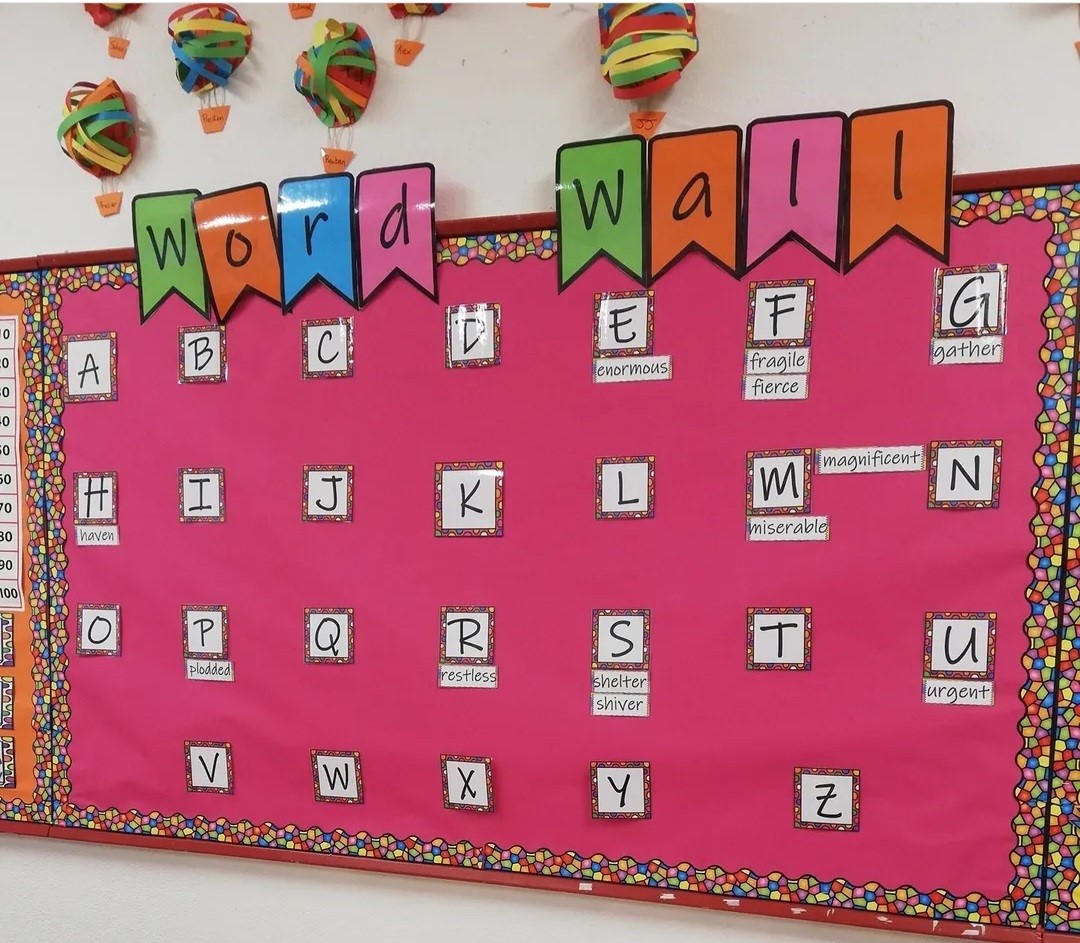
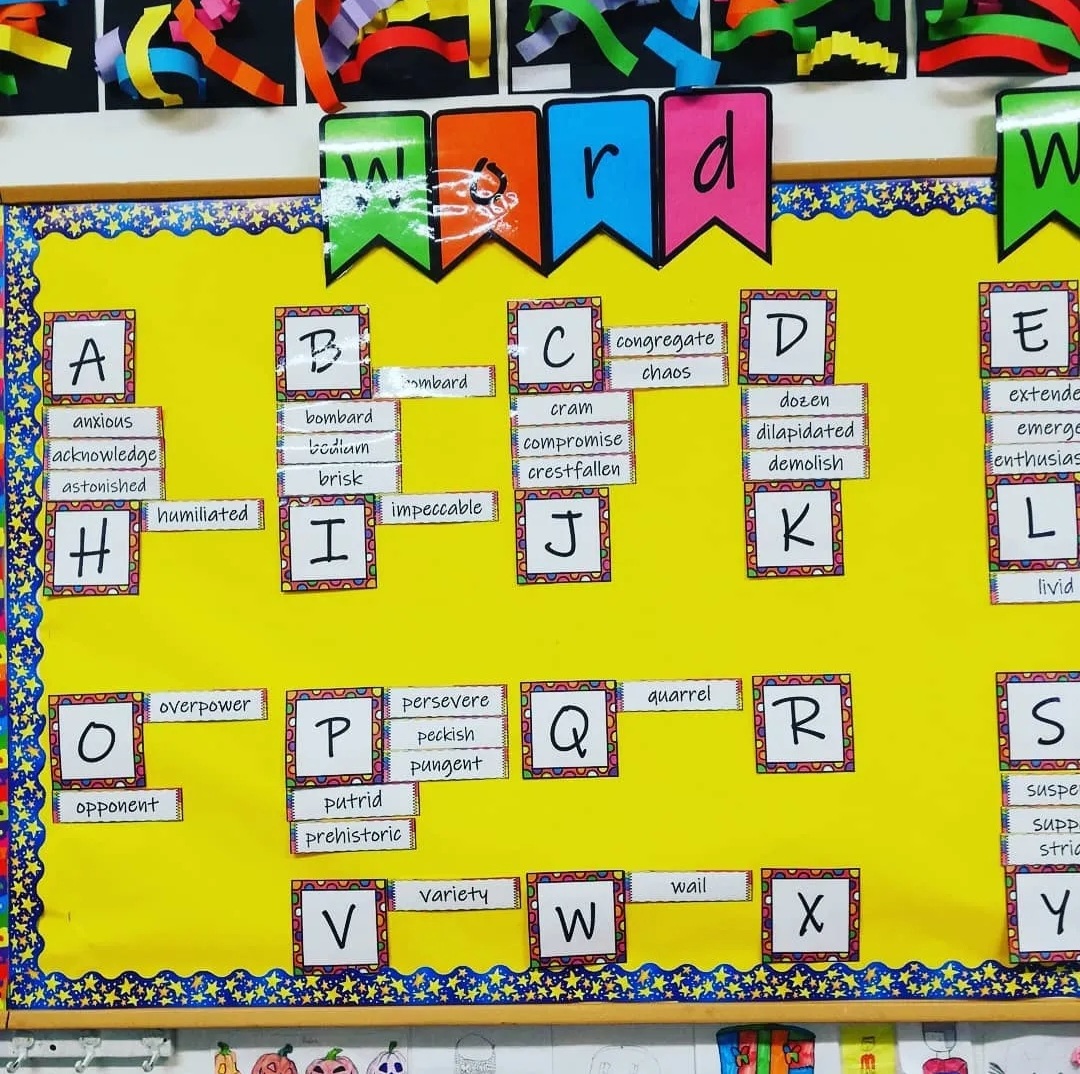
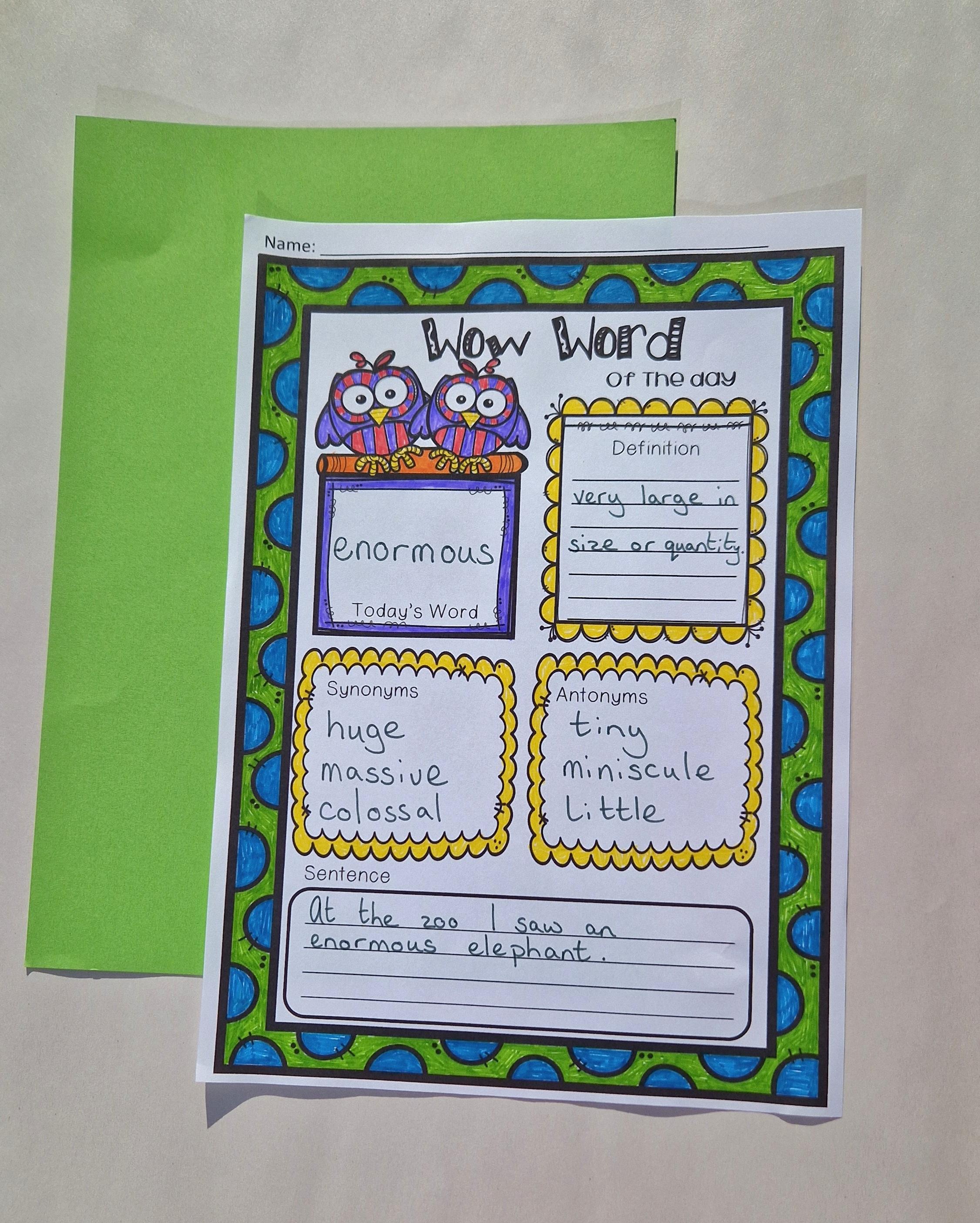

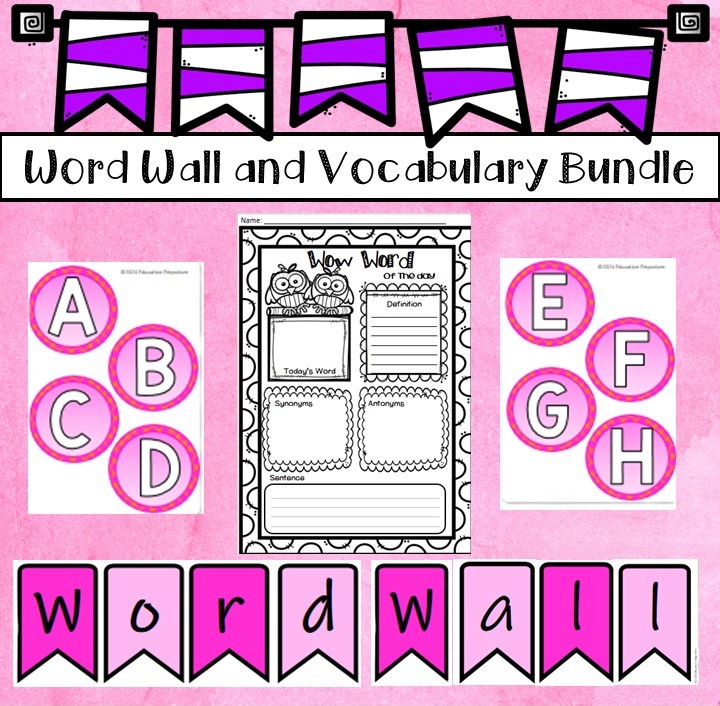
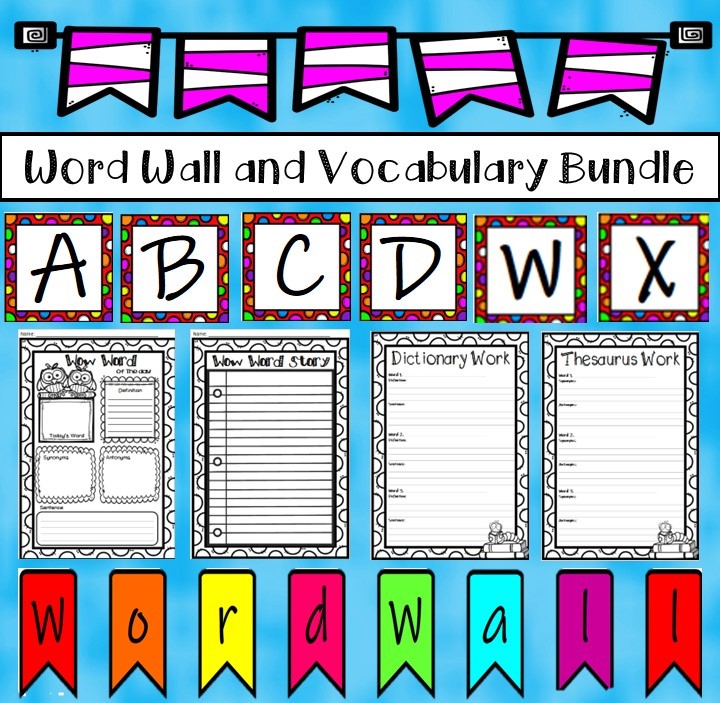
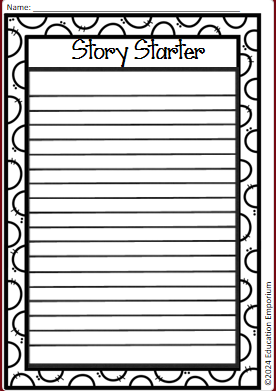


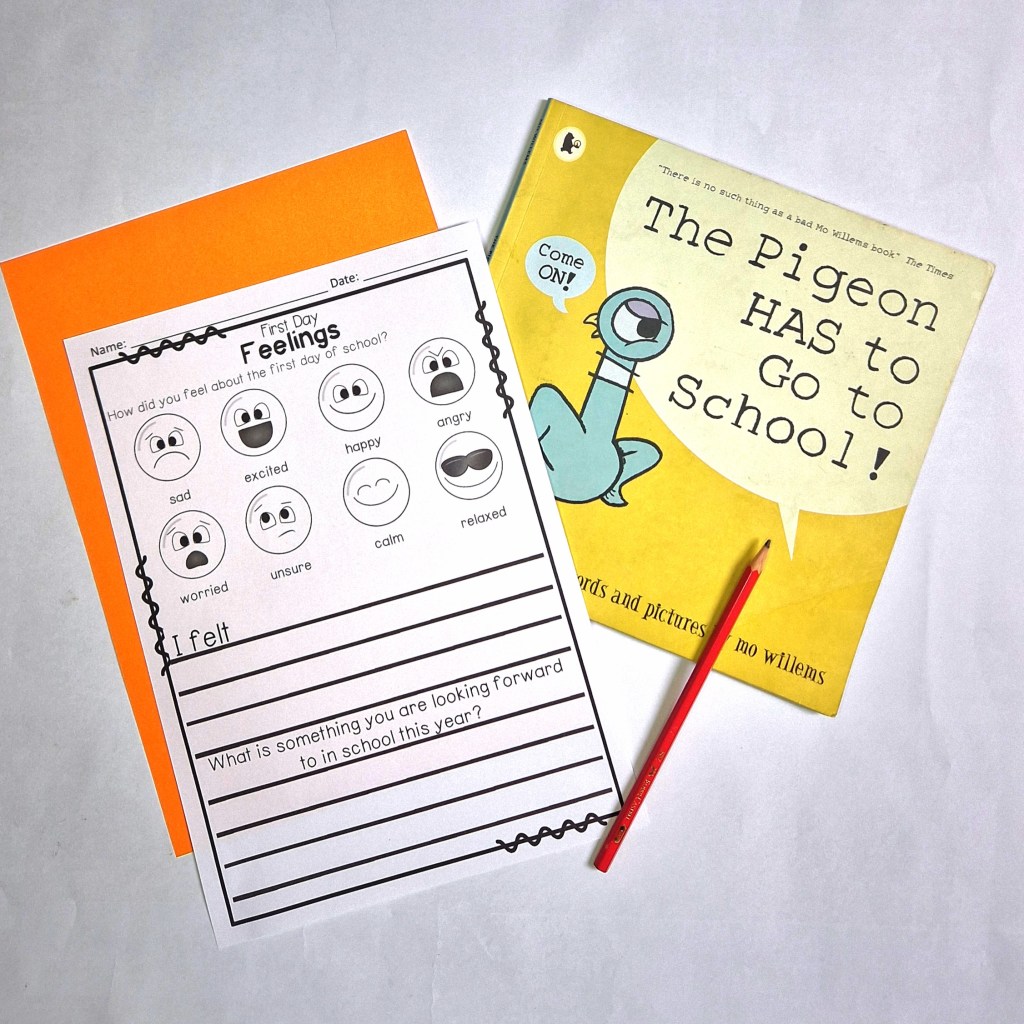
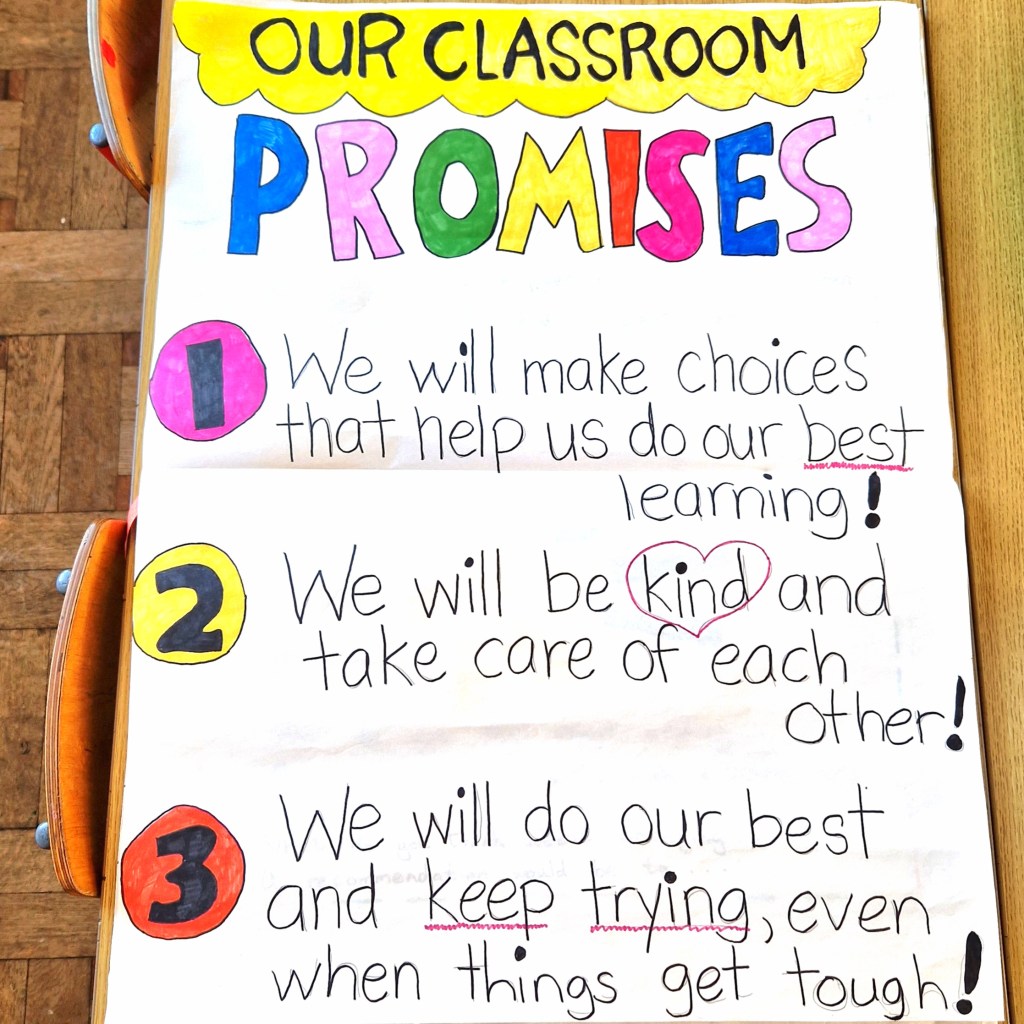
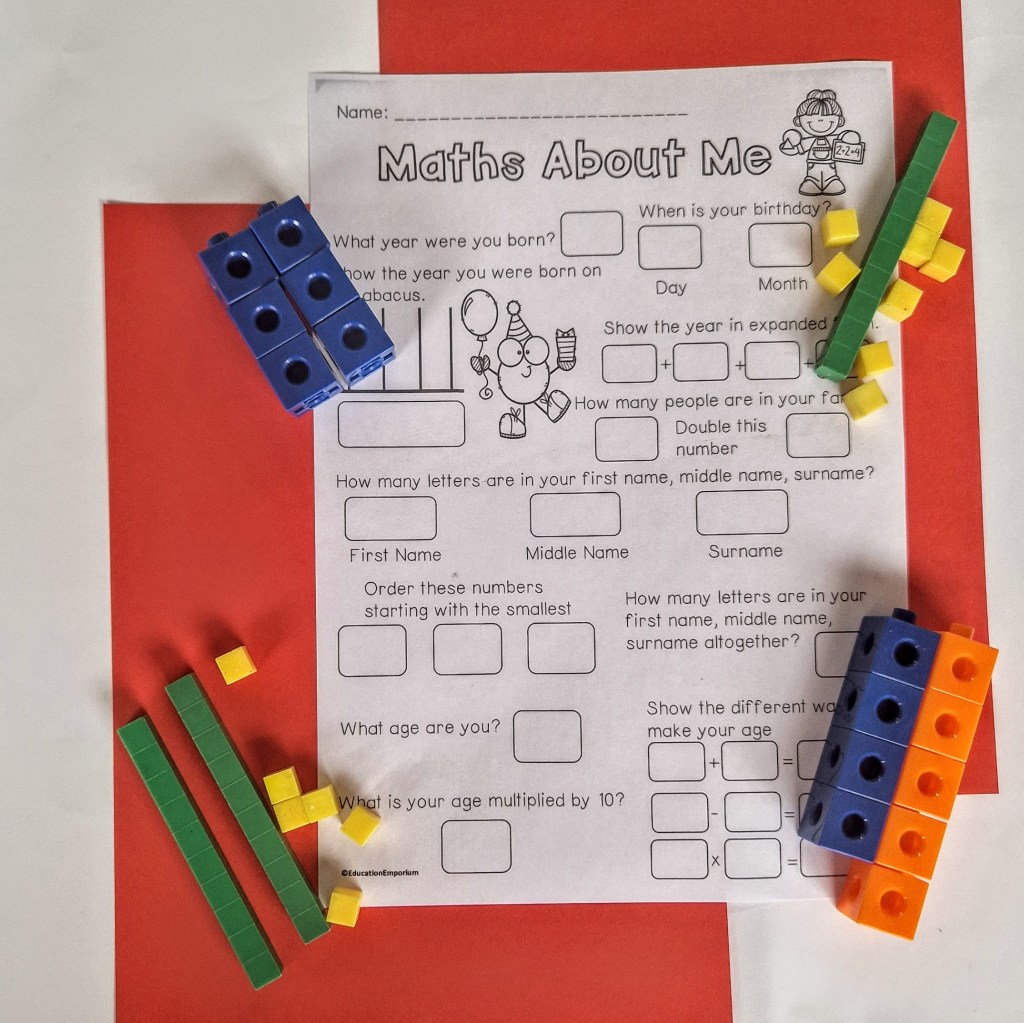
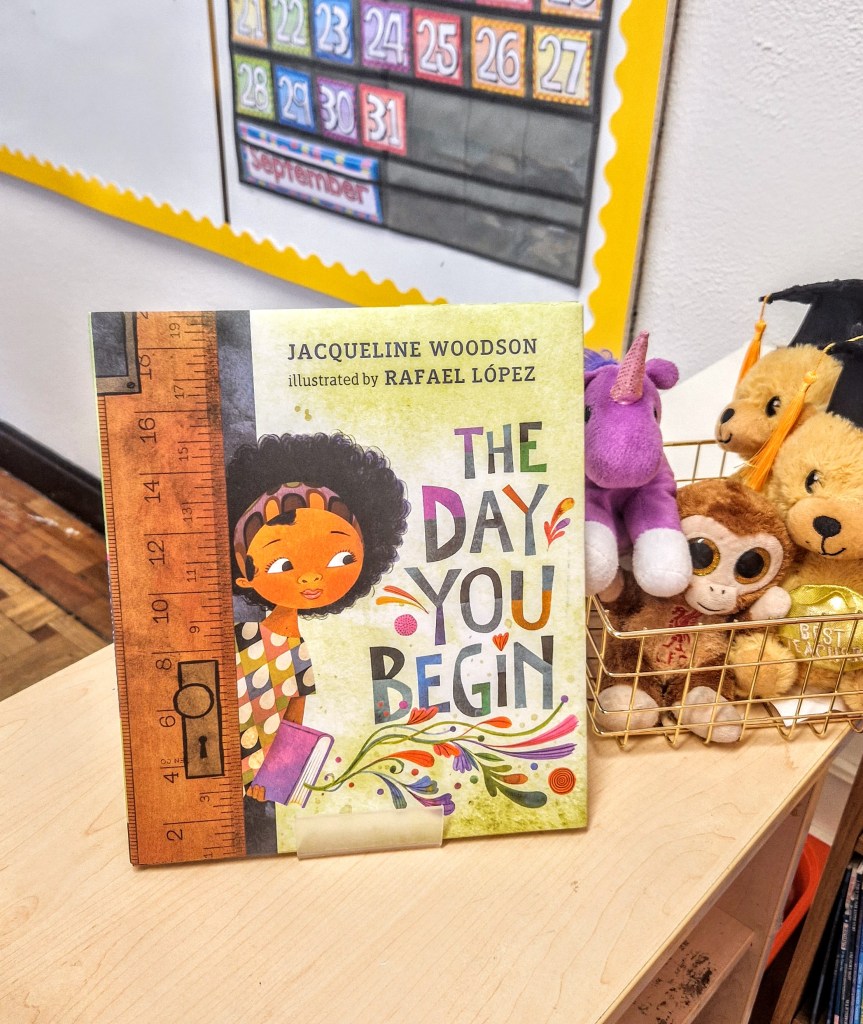
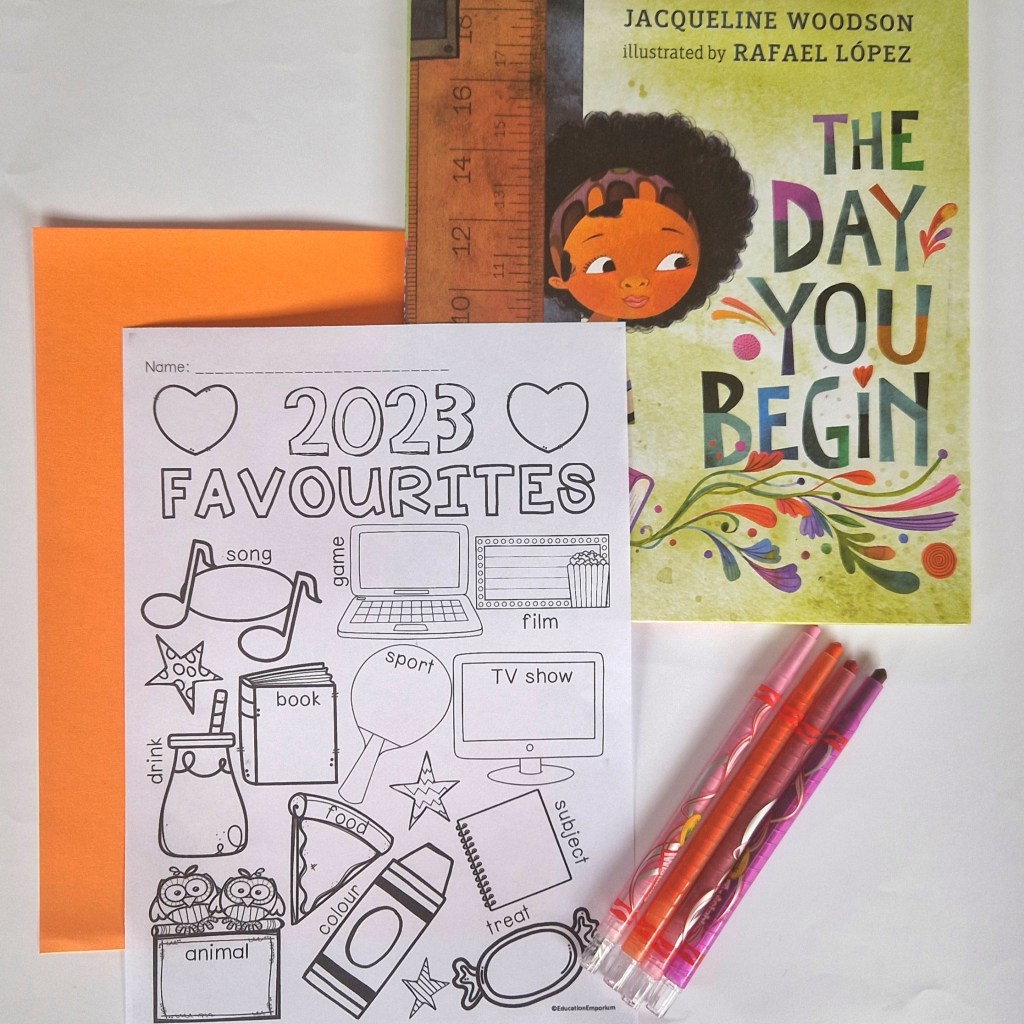


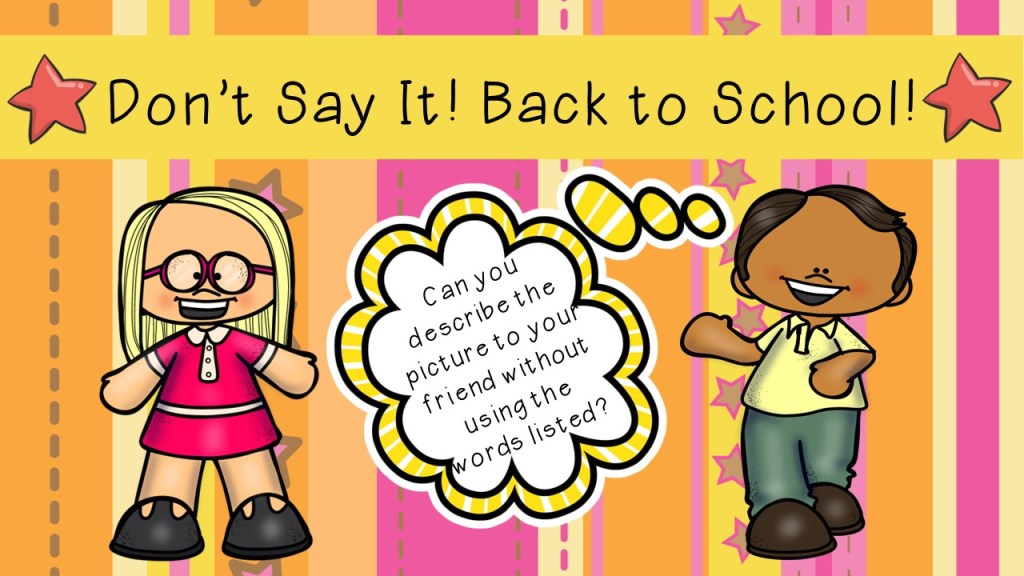


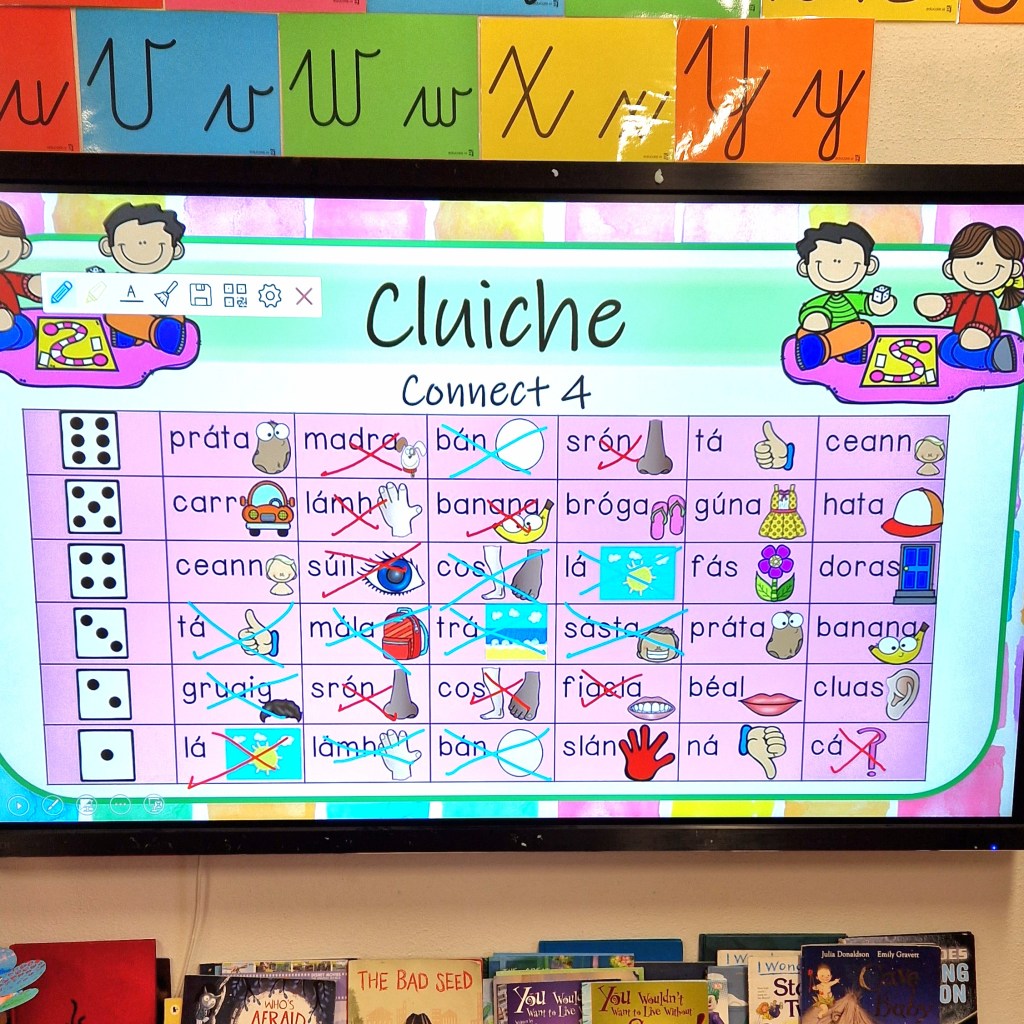
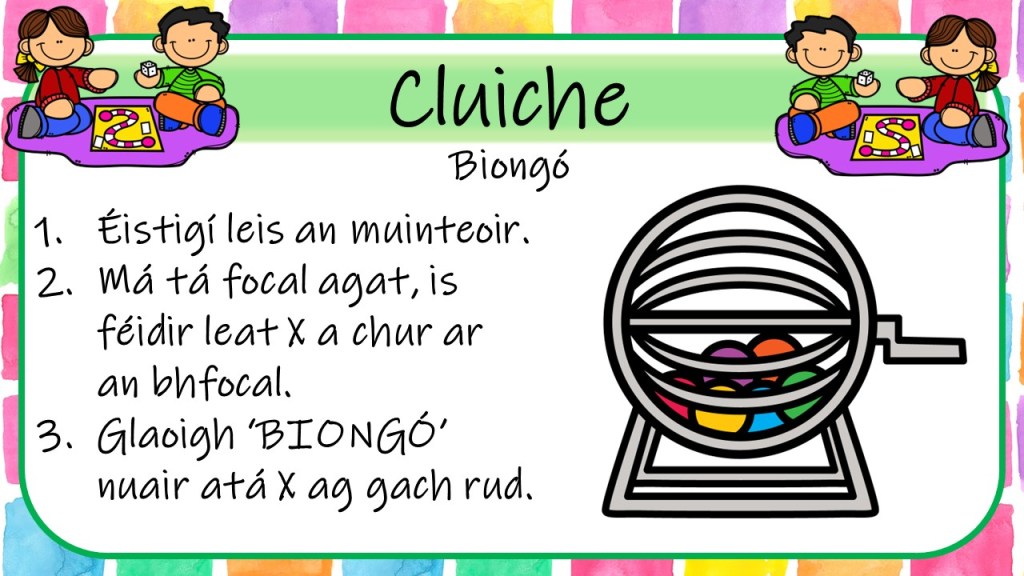
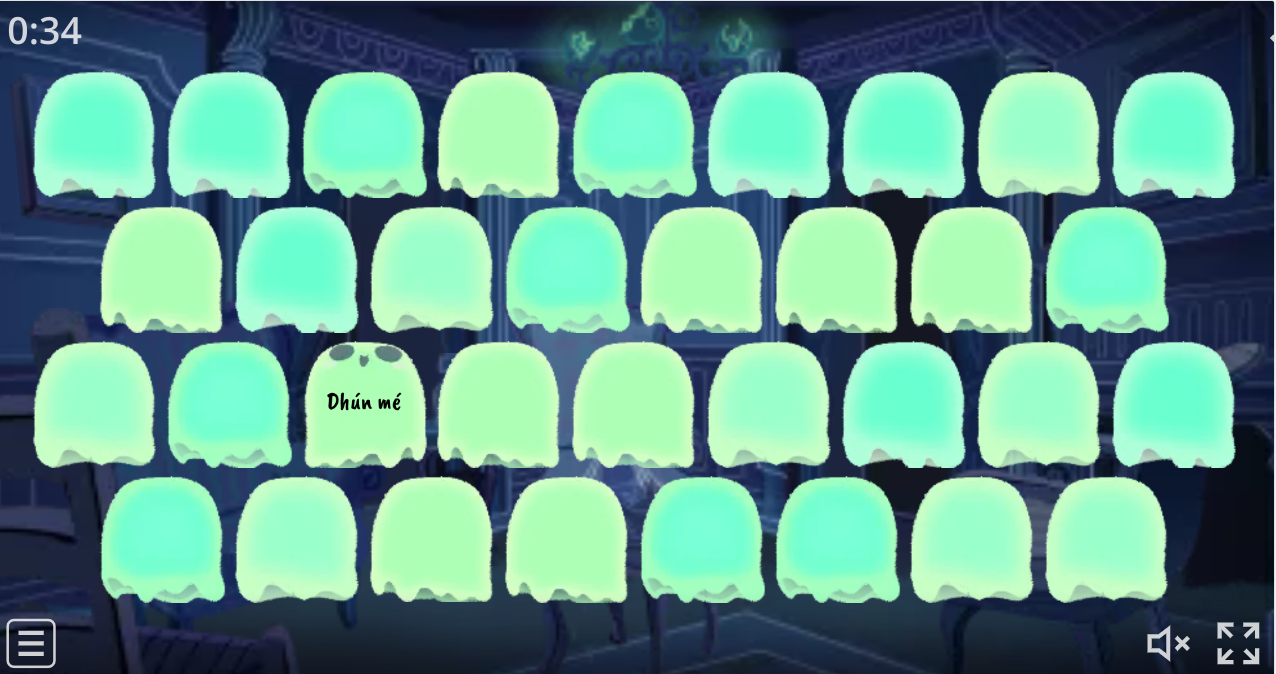


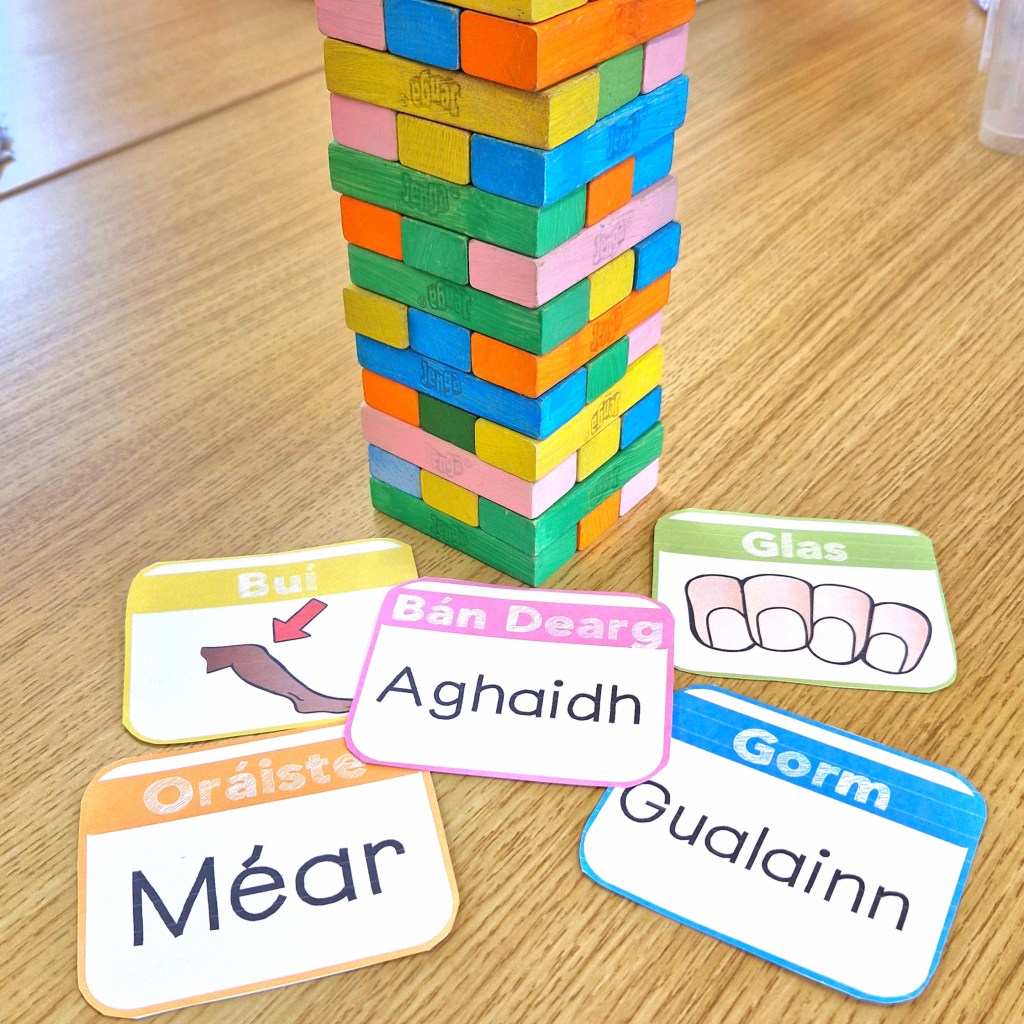
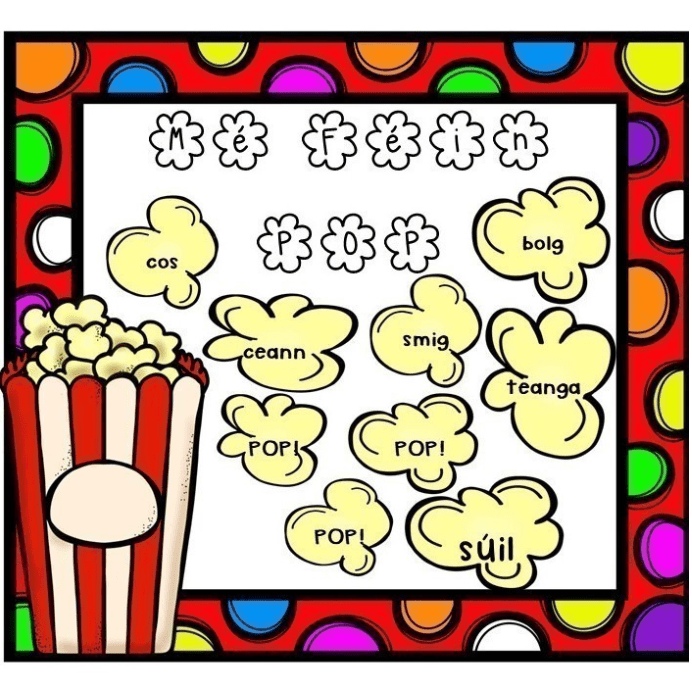
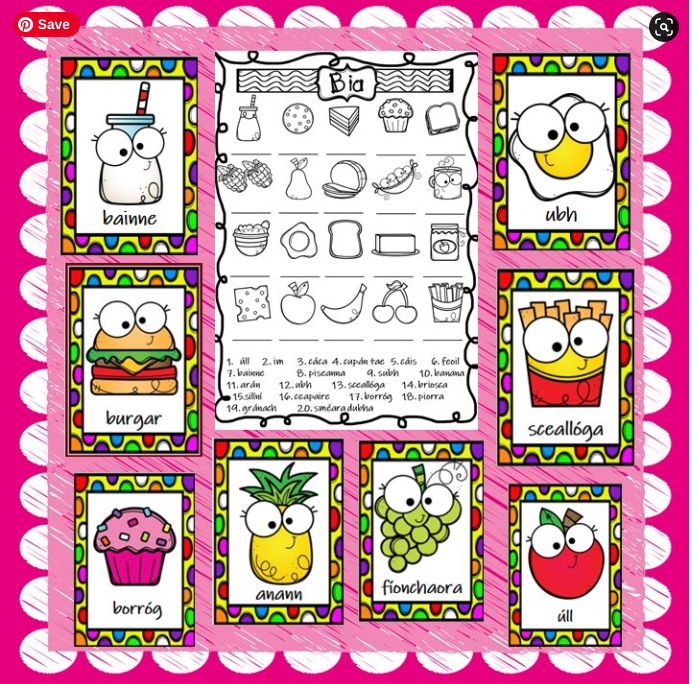



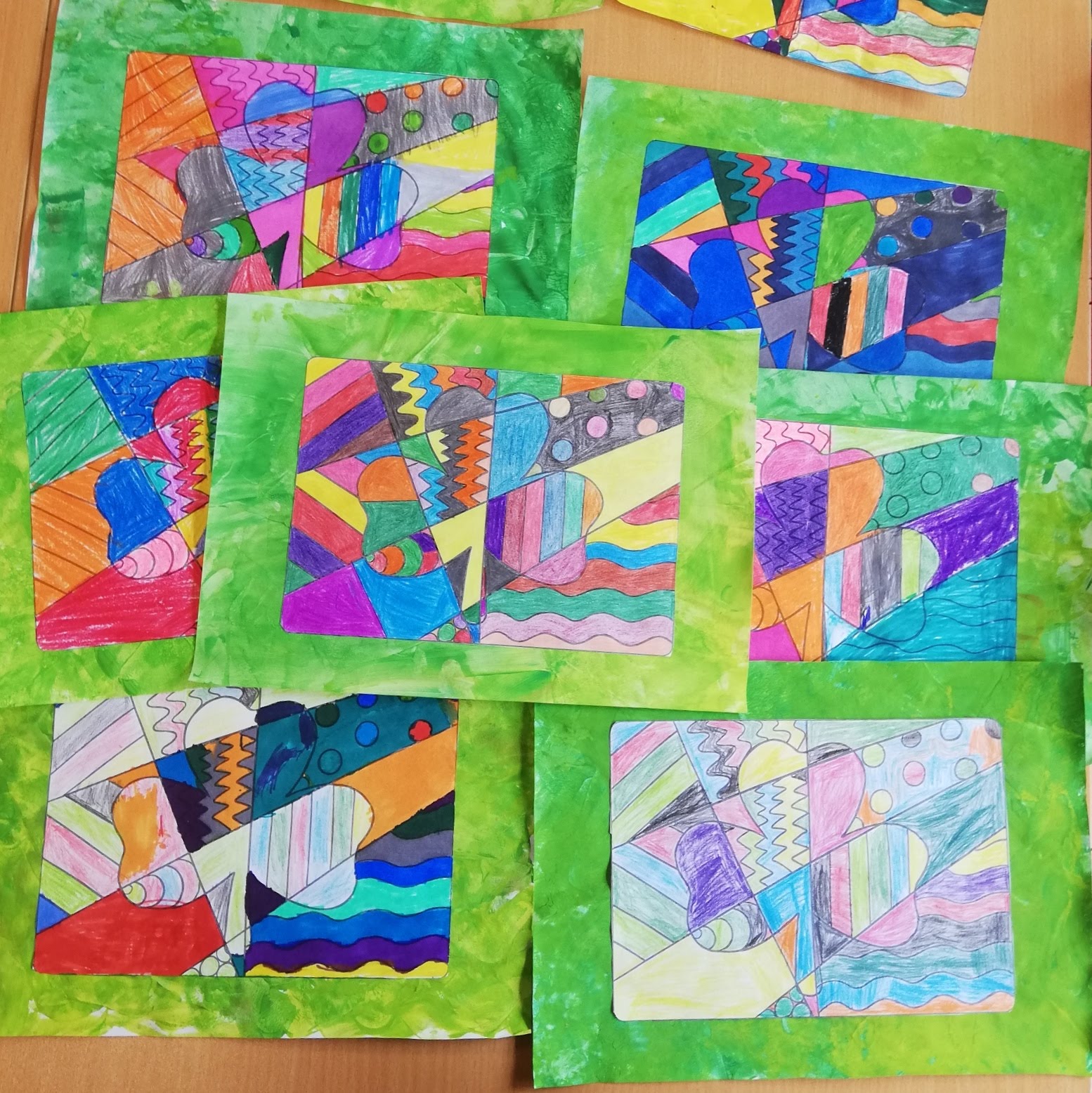
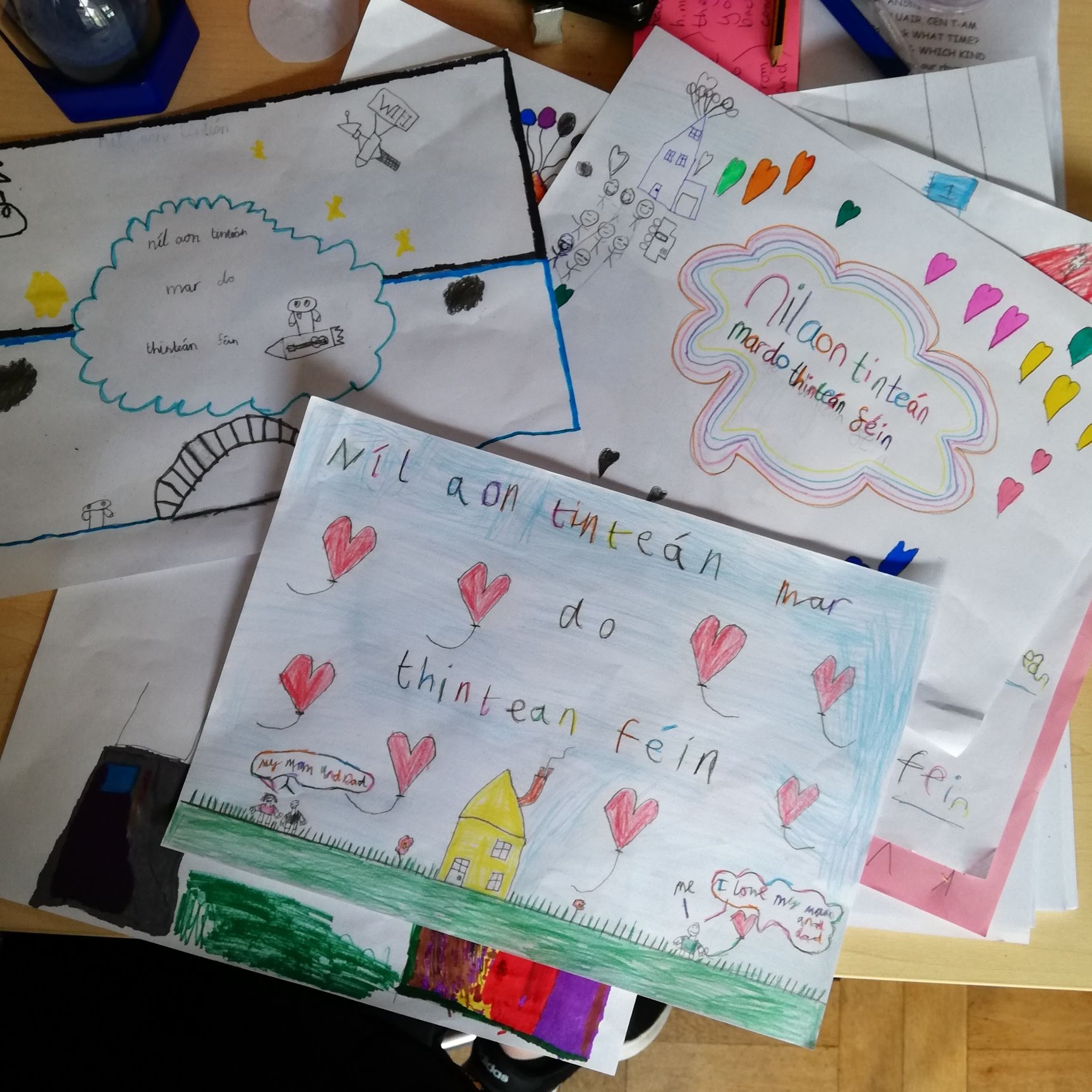




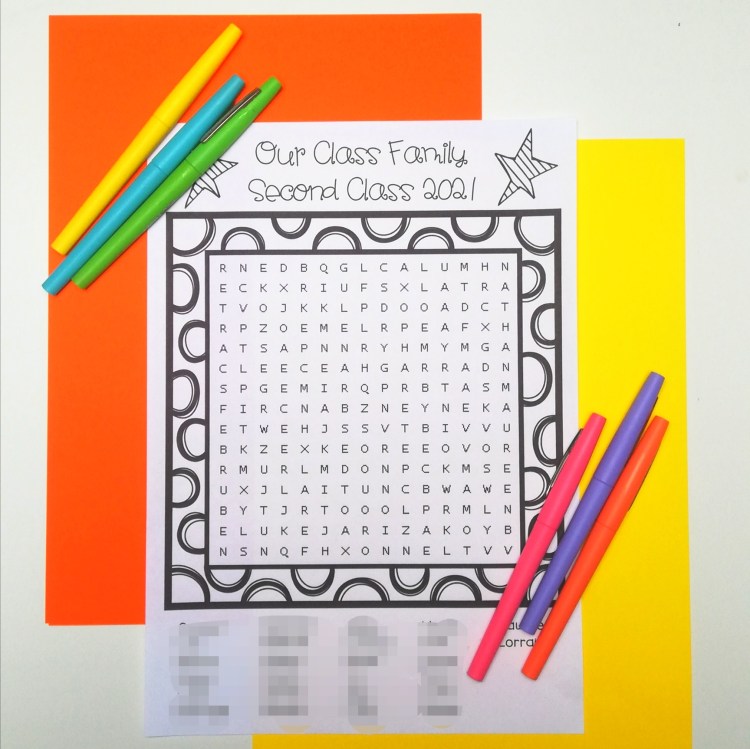
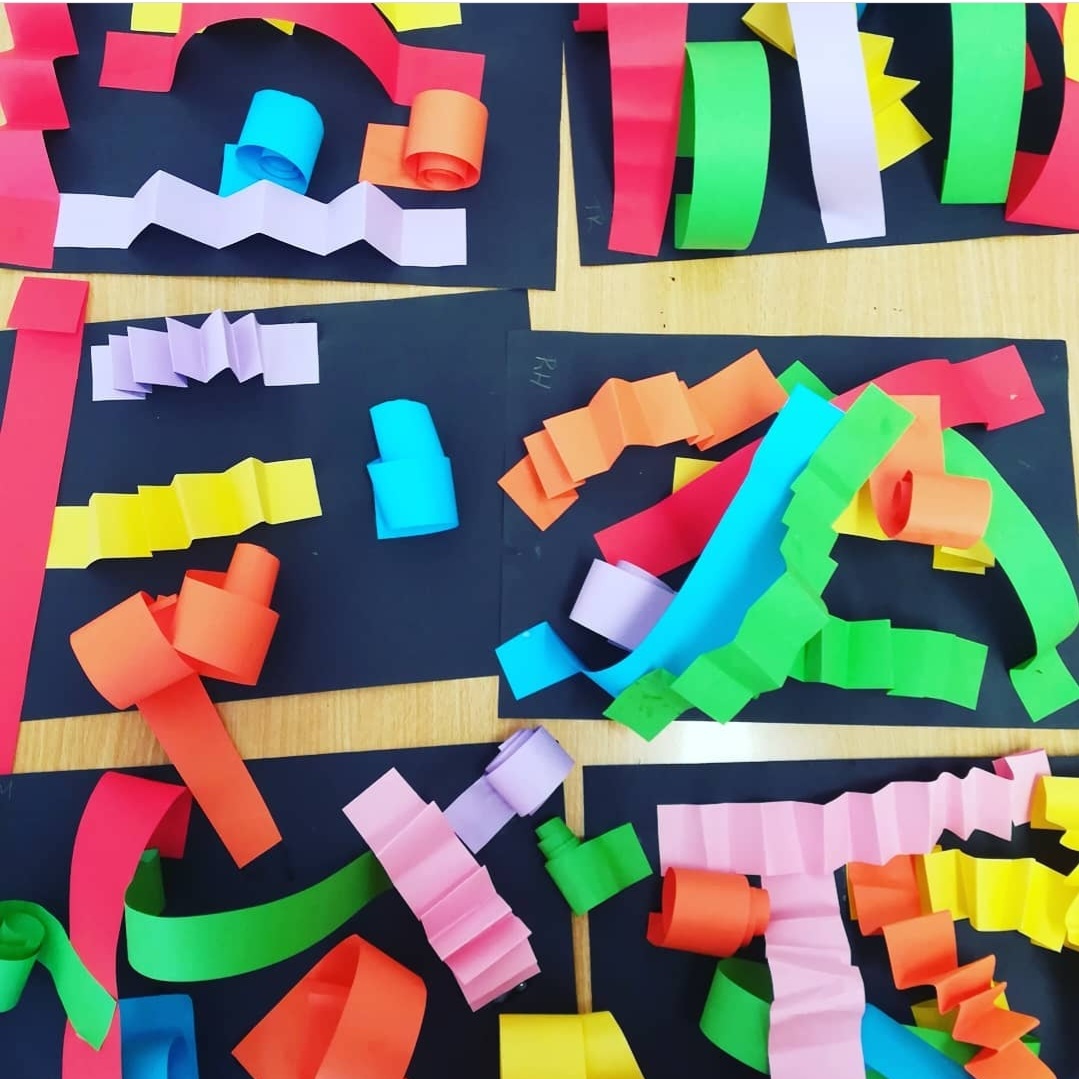

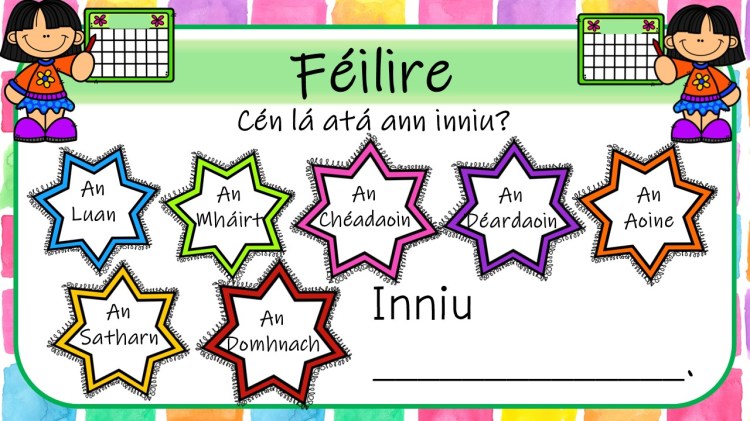

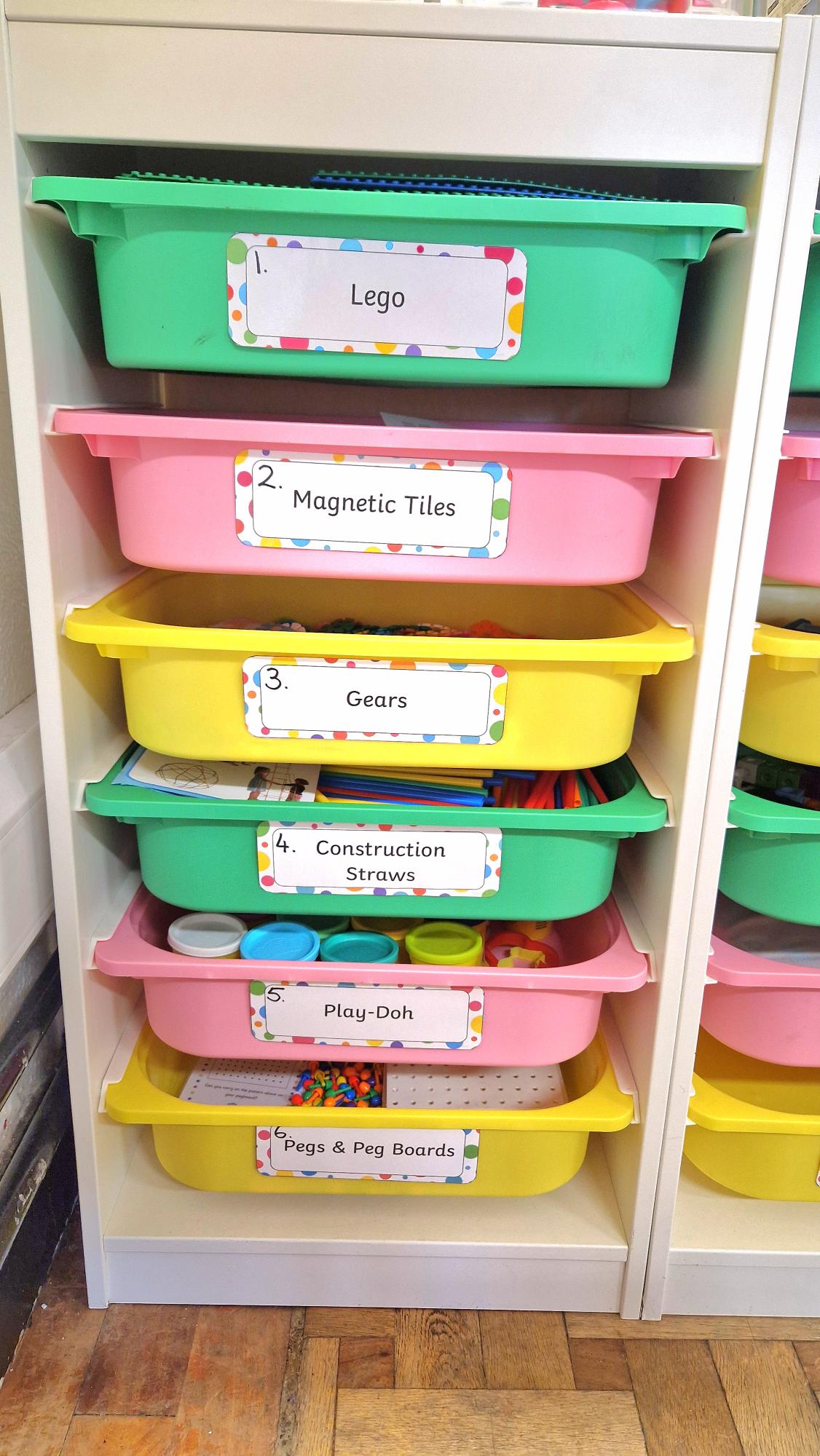

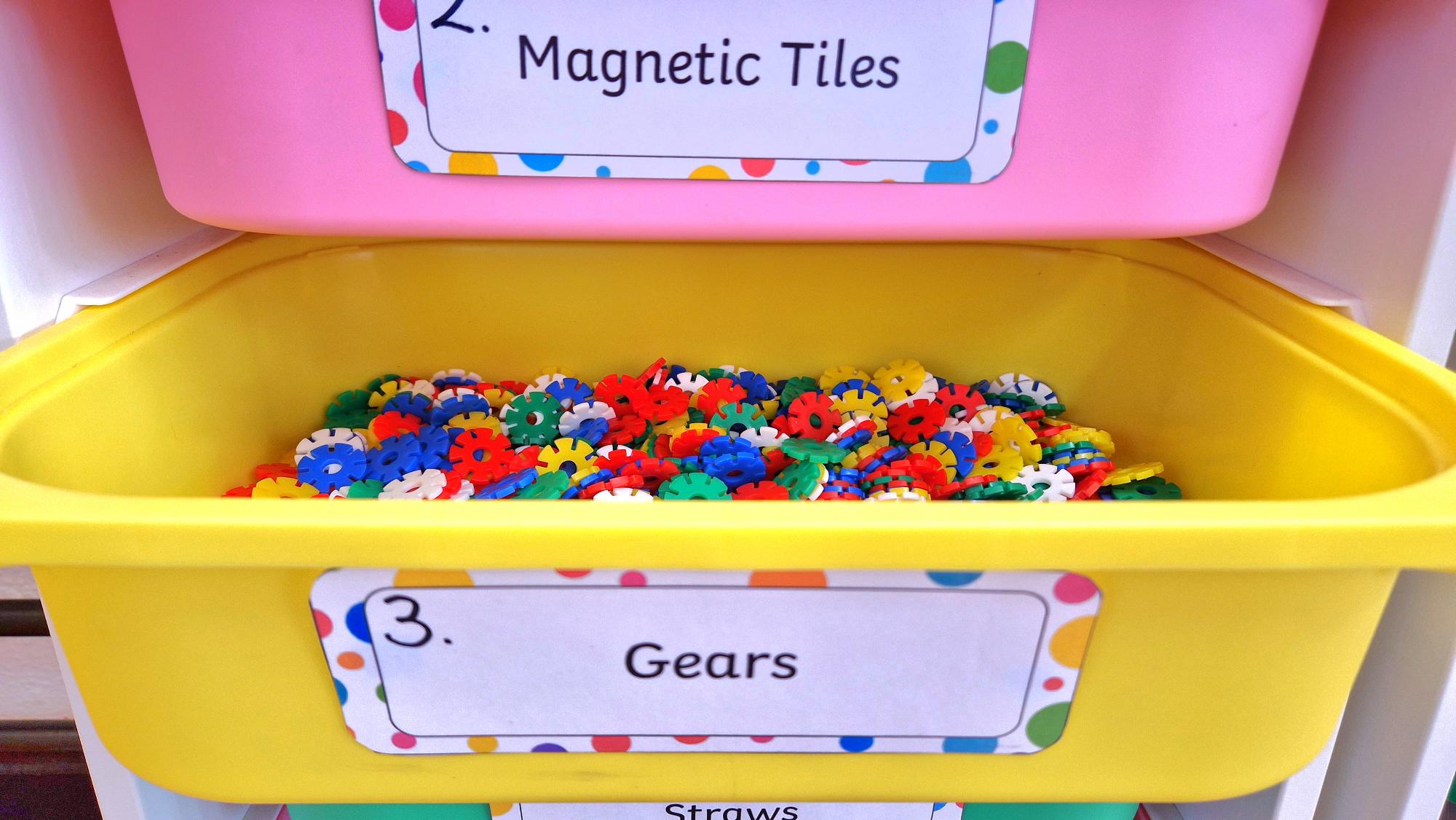
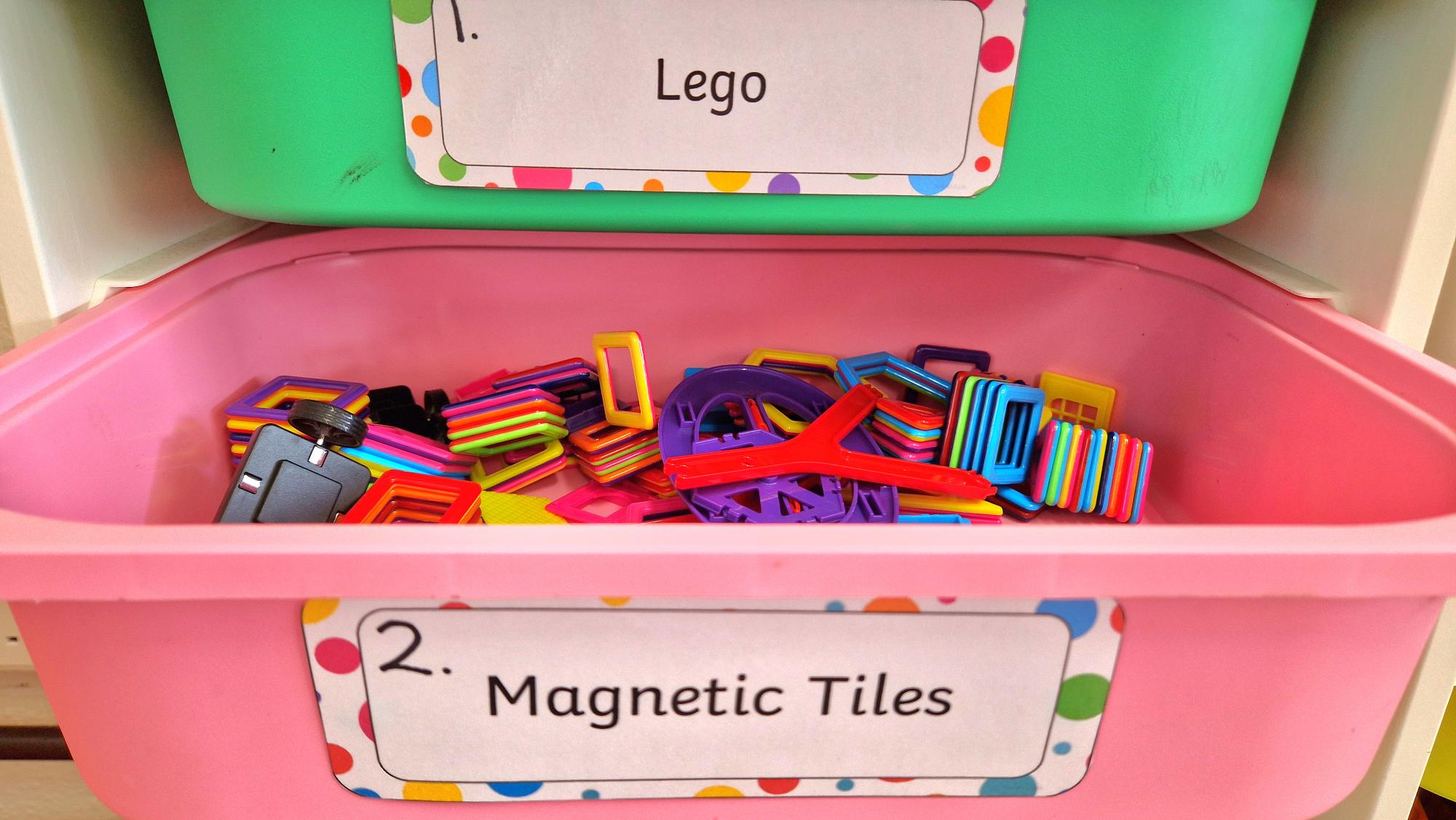
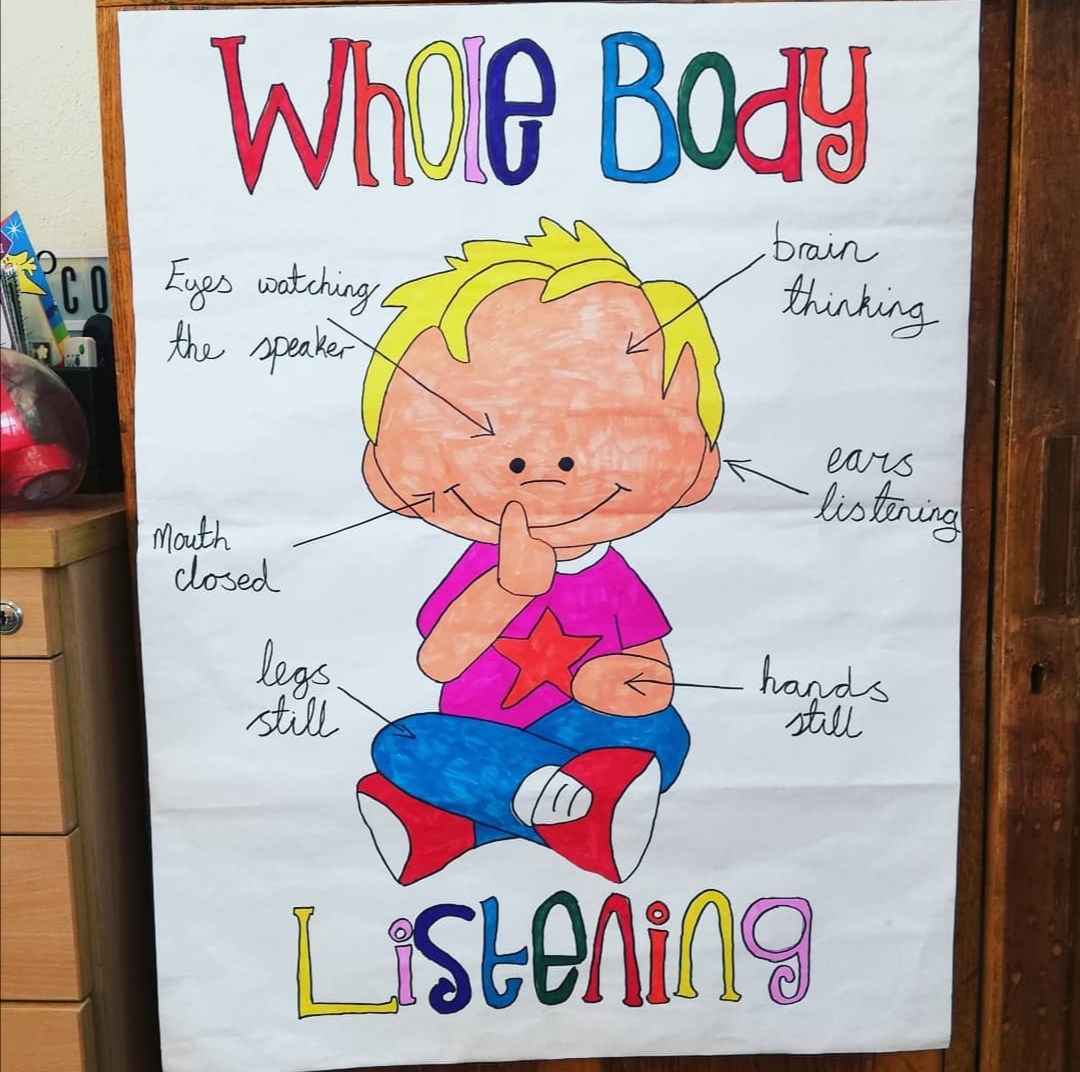
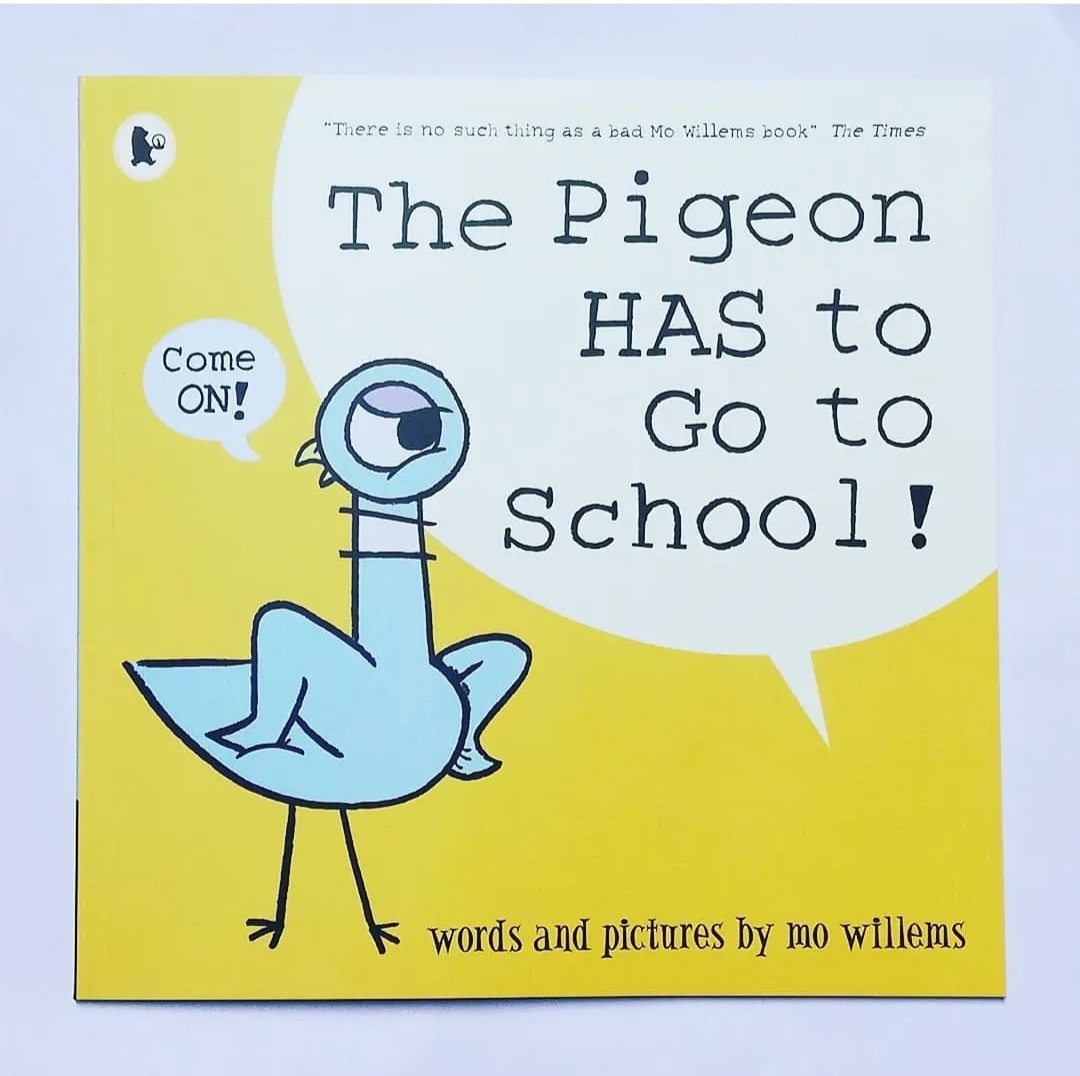


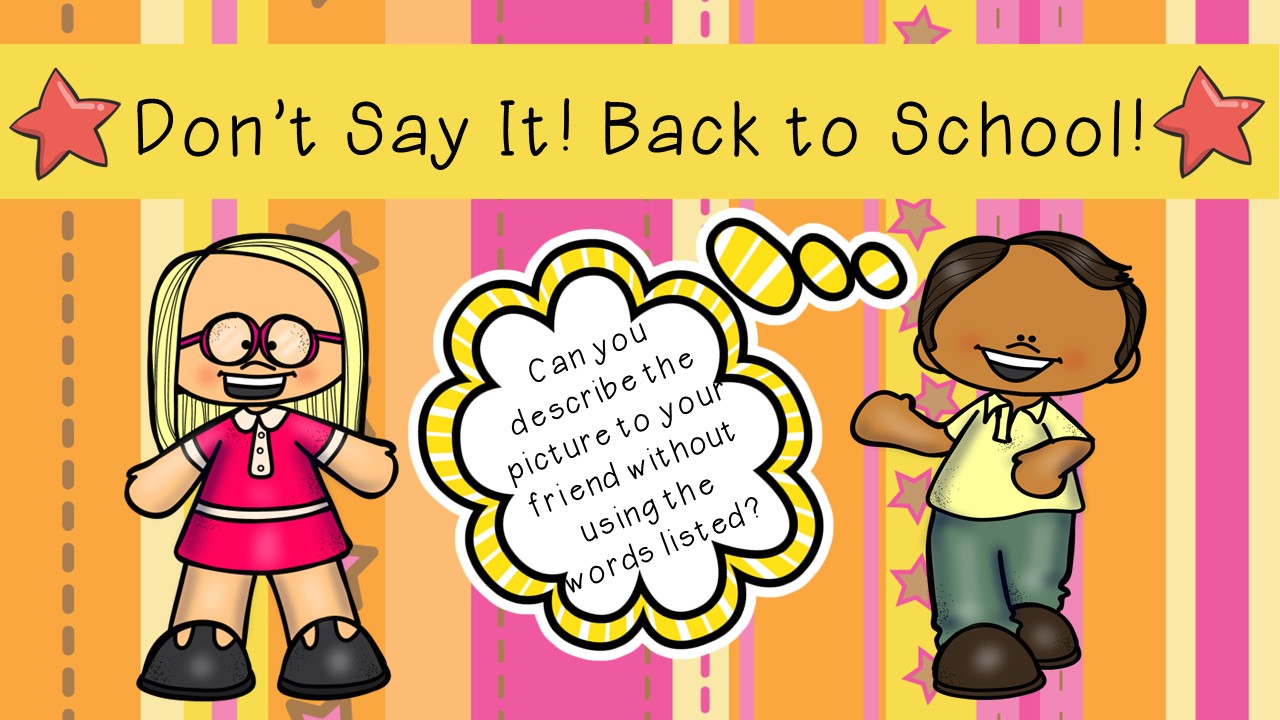


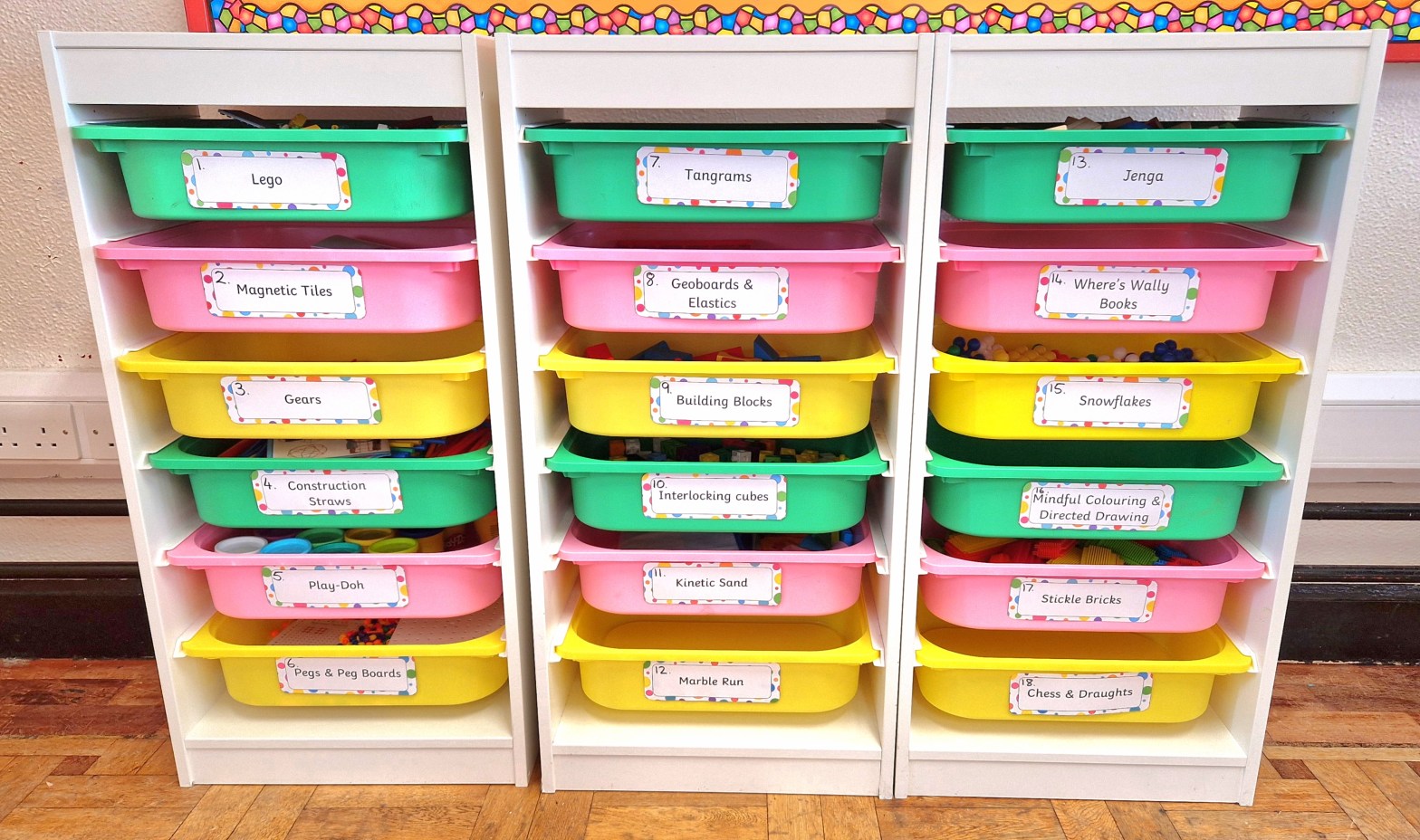
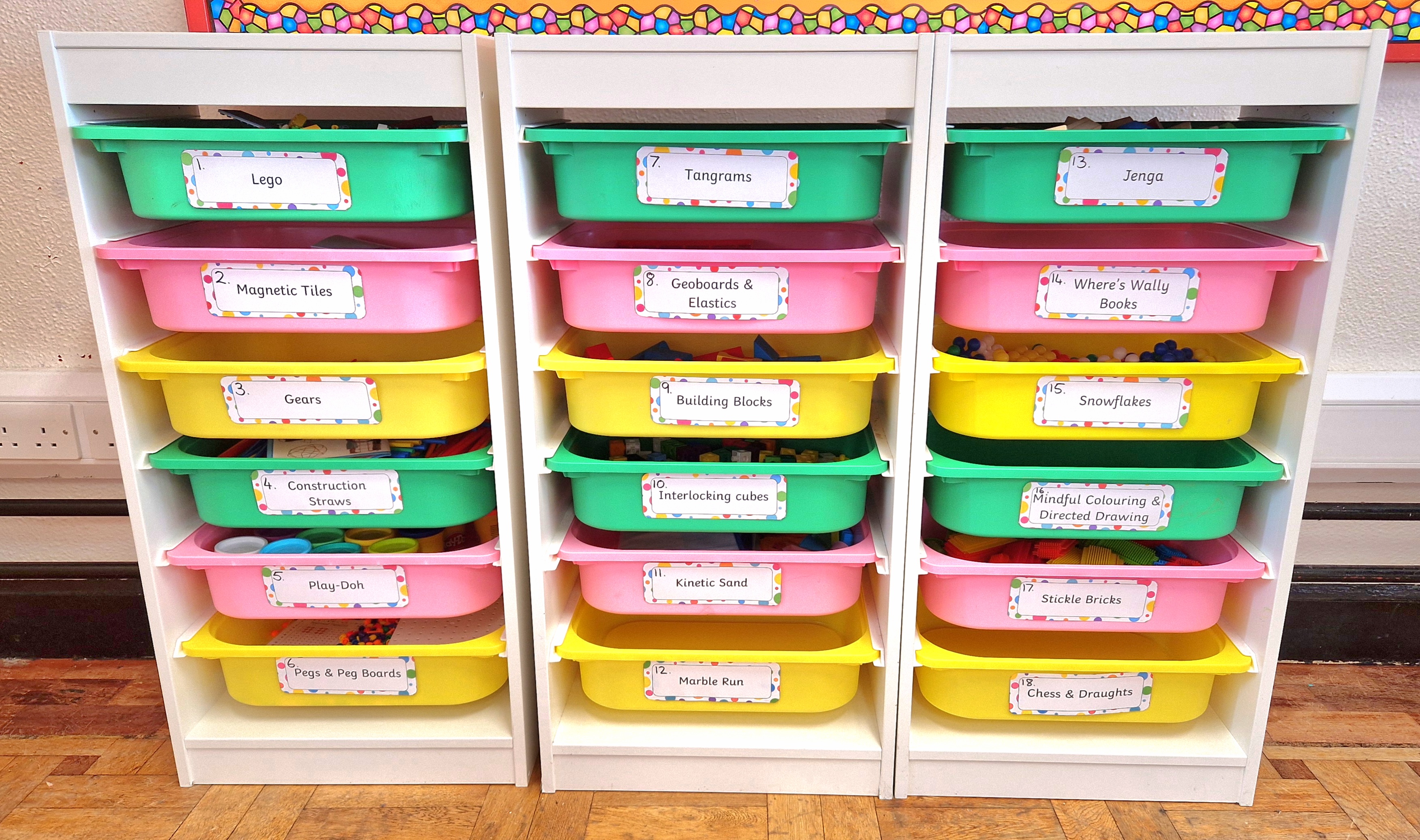

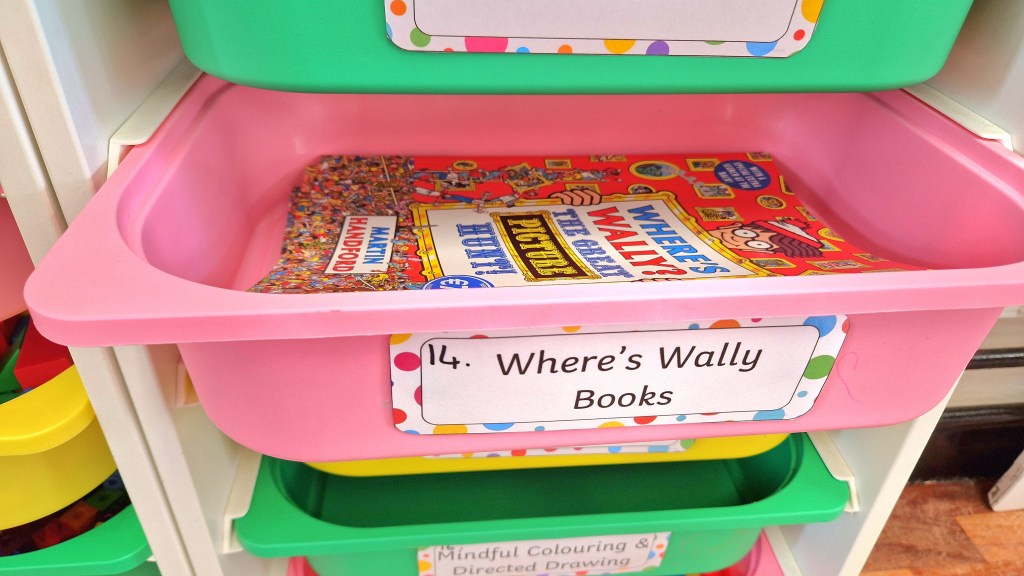
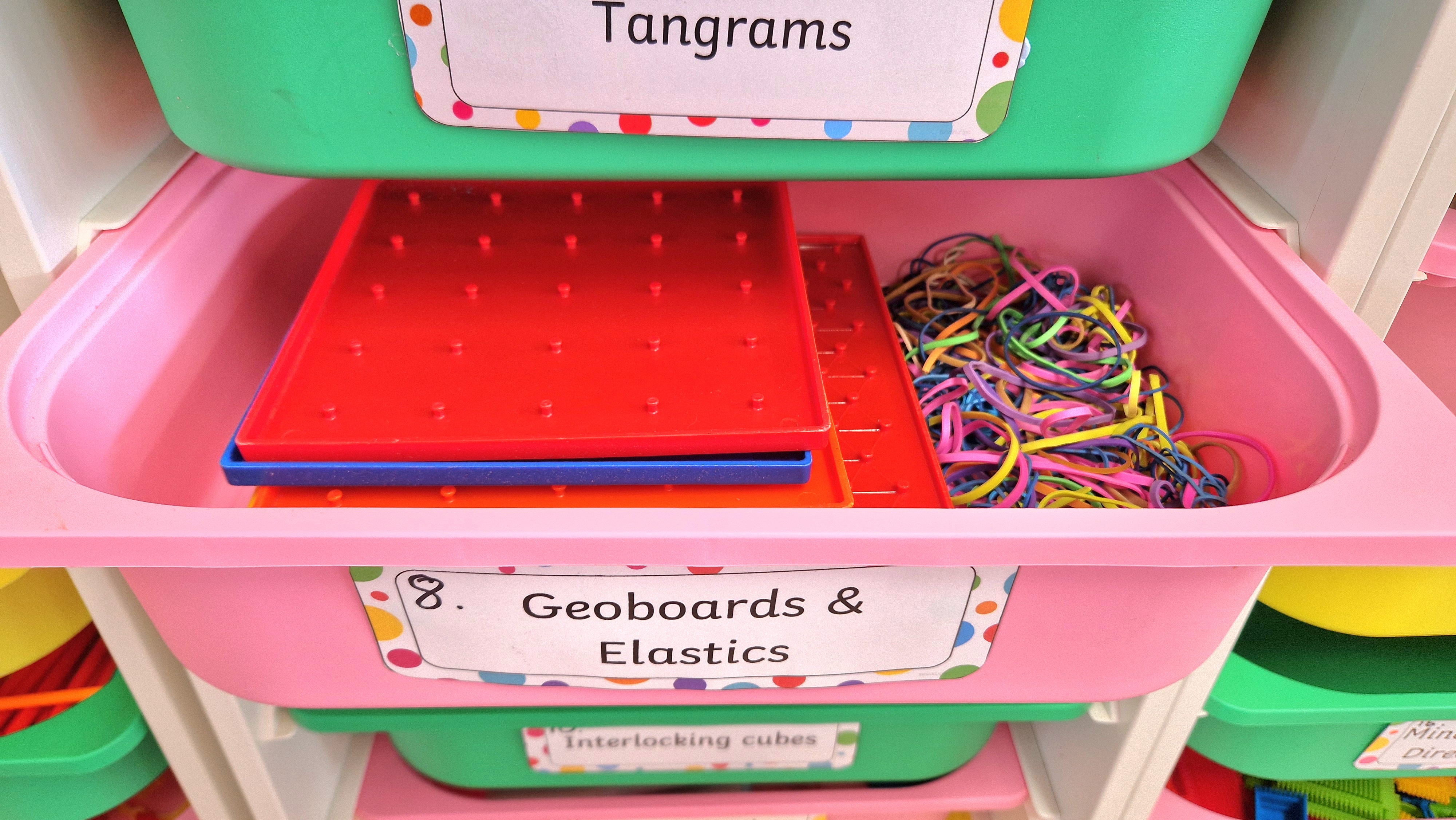


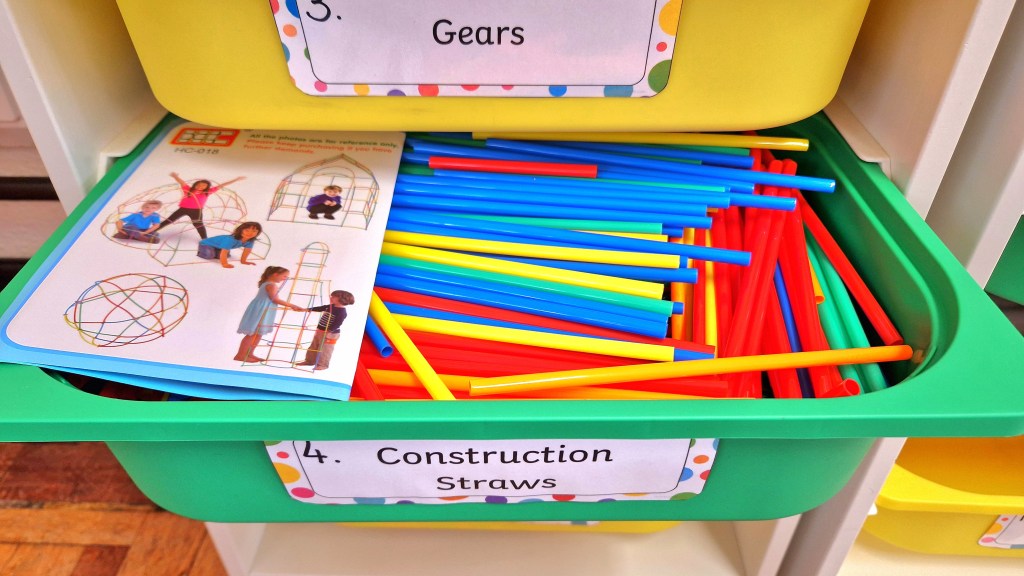


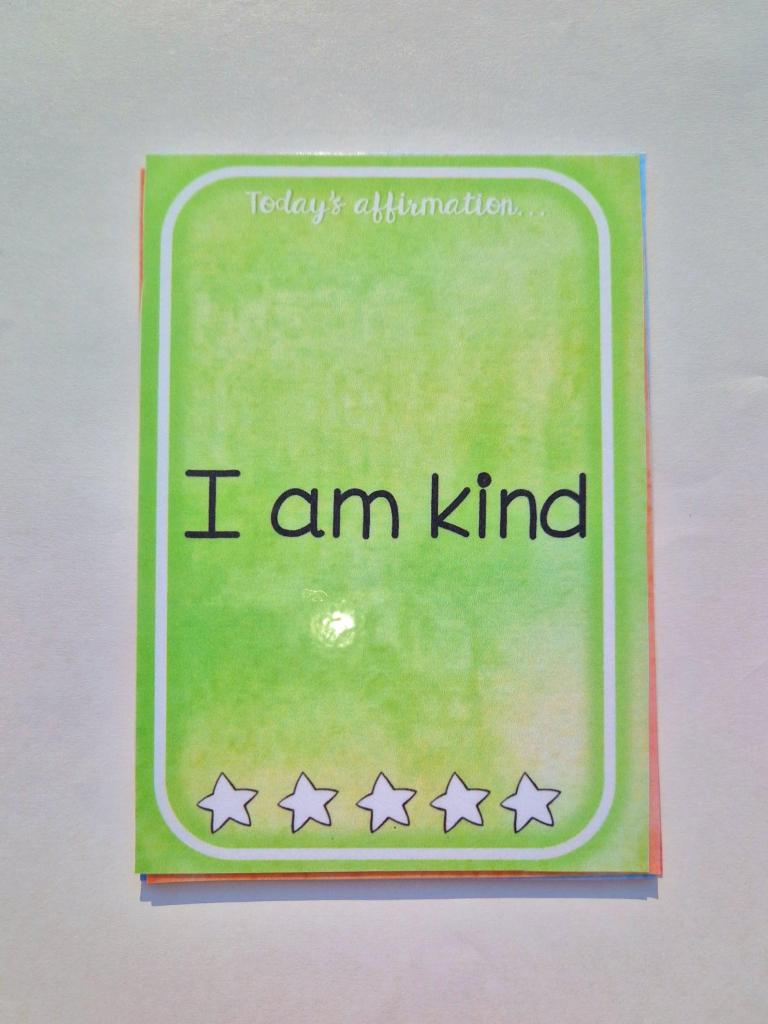


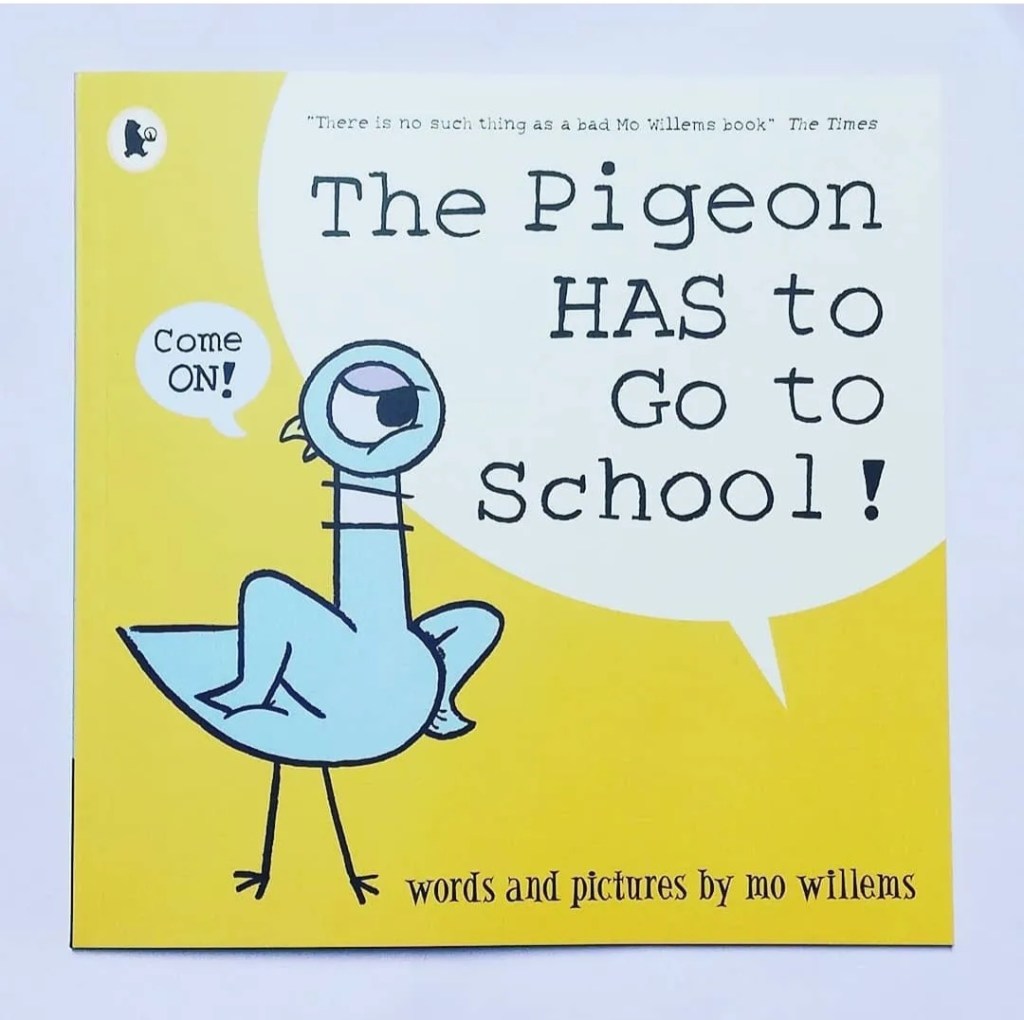

 Education Emporium
Leave a comment